A Comprehensive Guide to Industrial Process Control Software


Understanding Industrial Process Control Software
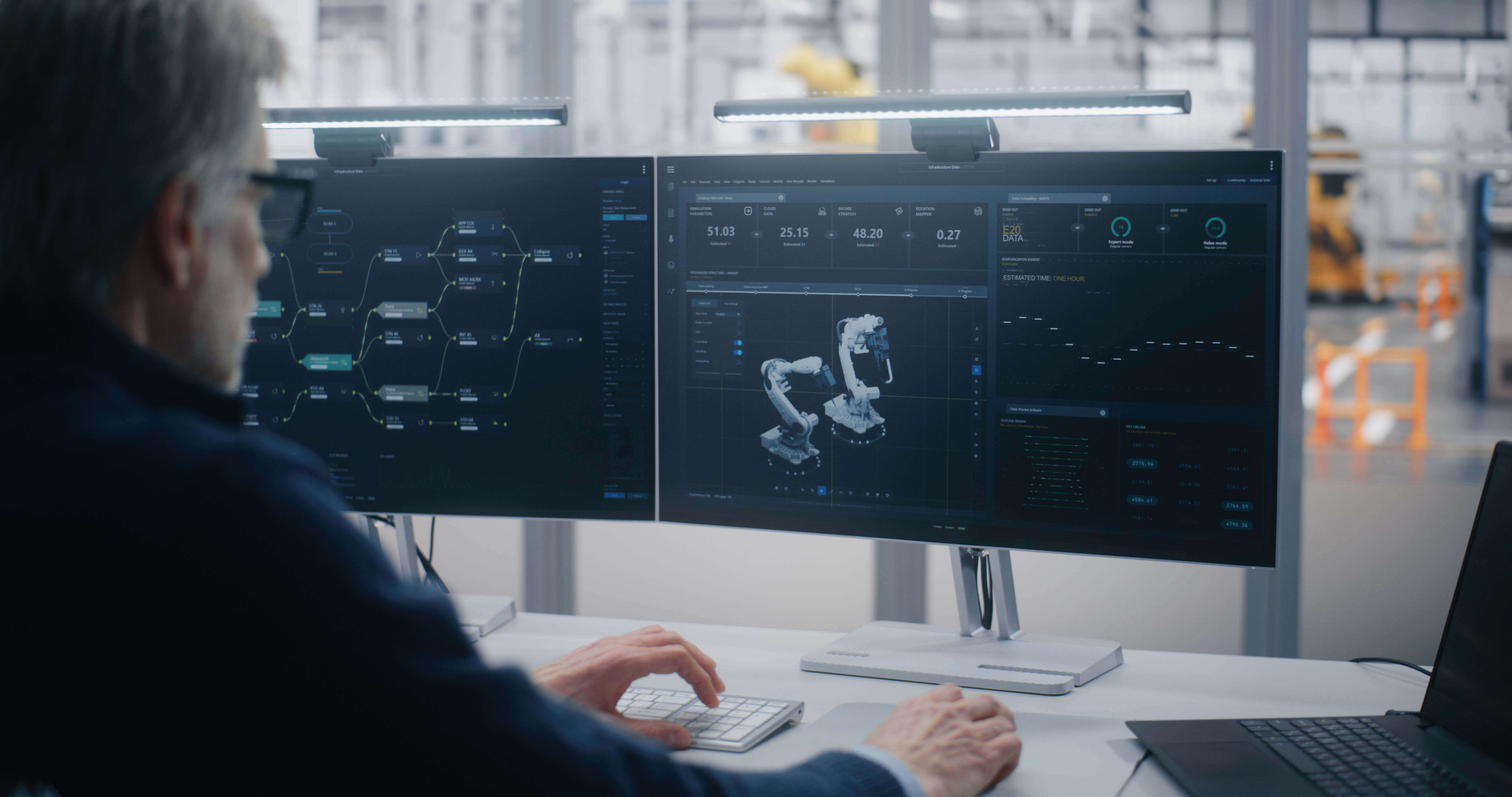
Industrial process control software plays a crucial role in managing and optimizing complex manufacturing processes. By integrating advanced technologies, it helps industries achieve higher efficiency, reduce waste, and ensure consistent product quality. This guide explores the key aspects of industrial process control software, offering insights into its benefits and applications.
Key Features and Benefits
The primary function of industrial process control software is to automate and streamline operations. Some of the most significant benefits include:
- Improved Efficiency: Automation reduces the need for manual intervention, speeding up production and minimizing errors.
- Cost Reduction: By optimizing resource usage, companies can significantly cut down on operational costs.
- Enhanced Safety: Monitoring systems help in detecting potential hazards, ensuring a safer working environment.
Types of Industrial Process Control Systems
Different types of process control systems cater to varying industrial needs. Some common systems include:
- Distributed Control Systems (DCS): These are used for large-scale processes, offering centralized control and real-time monitoring.
- Programmable Logic Controllers (PLC): Ideal for discrete manufacturing, PLCs are robust and flexible.
- Supervisory Control and Data Acquisition (SCADA): Suitable for complex processes, SCADA systems provide comprehensive data analysis and control.

Integration with Emerging Technologies
Modern industrial process control software is increasingly integrating with emerging technologies like the Internet of Things (IoT) and Artificial Intelligence (AI). These integrations offer advanced data analytics, predictive maintenance, and improved decision-making capabilities, revolutionizing industrial operations.
For instance, IoT-enabled sensors collect real-time data, providing insights into equipment performance and process efficiency. AI algorithms analyze this data to predict failures and suggest optimizations, leading to a more proactive approach to maintenance and operations.
Challenges and Considerations
While the benefits are substantial, implementing industrial process control software also presents challenges. These include:
- High Initial Costs: The implementation of advanced systems can be expensive.
- Complex Integration: Integrating new software with existing systems requires careful planning and execution.
- Skill Requirements: Operating and maintaining these systems necessitates specialized skills and training.

Future Trends in Process Control Software
As technology continues to evolve, industrial process control software is expected to incorporate more advanced features like machine learning and cloud-based solutions. These advancements will further enhance operational efficiencies, providing industries with the tools needed to stay competitive in a rapidly changing market.
Embracing these trends will require industries to invest in continuous learning and adaptation, ensuring they can fully leverage the potential of these technologies to drive growth and innovation.