Comprehensive Guide to Industrial Process Control Software


Understanding Industrial Process Control Software
In today's fast-paced industrial landscape, process control software plays a crucial role in ensuring efficiency, safety, and reliability. This software is designed to monitor, control, and optimize various processes across industries such as manufacturing, energy, and pharmaceuticals. By integrating advanced technologies, it helps industries maintain competitiveness in an ever-evolving market.

The Core Components of Process Control Software
At its core, industrial process control software consists of several key components. These include:
- Human-Machine Interface (HMI): A user-friendly interface that allows operators to interact with the control system.
- Supervisory Control and Data Acquisition (SCADA): A system used for collecting and analyzing real-time data.
- Distributed Control System (DCS): A decentralized control system that enhances reliability and reduces risk.
Each component plays a specific role in ensuring that the industrial processes operate smoothly and efficiently.
Benefits of Implementing Process Control Software
Implementing process control software offers numerous benefits. One of the most significant advantages is the enhanced operational efficiency. By automating various tasks, the software reduces human error and ensures that processes are optimized for peak performance.
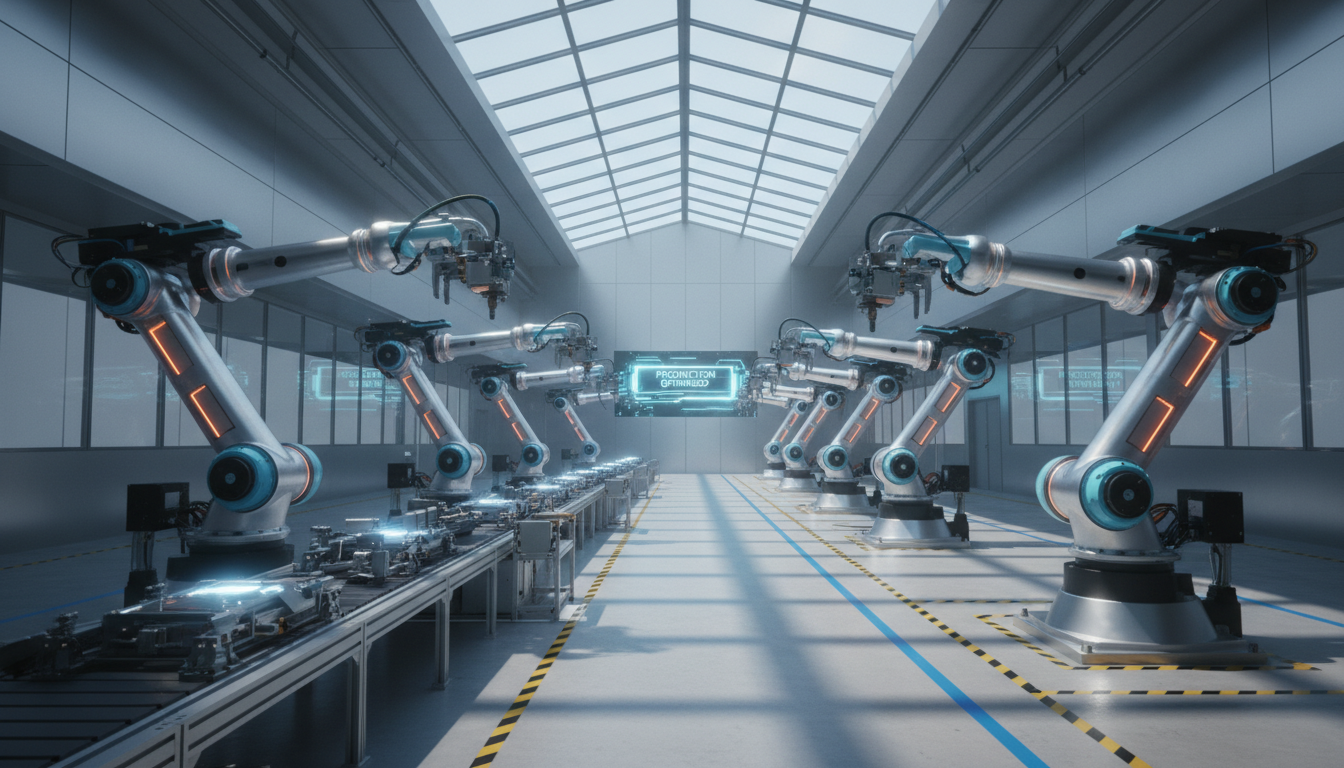
Another key benefit is improved safety. The software continuously monitors operations and can detect anomalies or potential hazards, allowing for quick intervention. This proactive approach minimizes downtime and prevents accidents, safeguarding both personnel and equipment.
Challenges in Process Control Software Implementation
Despite its benefits, implementing process control software can present challenges. One major hurdle is the integration with existing systems. Many industries rely on legacy systems, and ensuring compatibility requires careful planning and execution.
Moreover, the initial cost of implementation can be high, which may deter some companies from adopting these solutions. However, the long-term savings and efficiencies often offset the initial investment.

Choosing the Right Process Control Software
When selecting process control software, it's essential to consider several factors. First, evaluate the specific needs of your industry. Different industries have unique requirements, and the software should be tailored to meet those demands.
Additionally, consider the scalability of the software. As your business grows, the software should be able to accommodate increased demands without compromising performance.
Future Trends in Process Control Software
The future of industrial process control software is promising, with advancements in artificial intelligence and machine learning. These technologies are paving the way for more intelligent and predictive systems that can adapt to changing conditions in real time.
Furthermore, the integration of Internet of Things (IoT) devices is set to revolutionize process control by providing even greater levels of data and connectivity. This will enable more precise control and optimization of industrial operations.
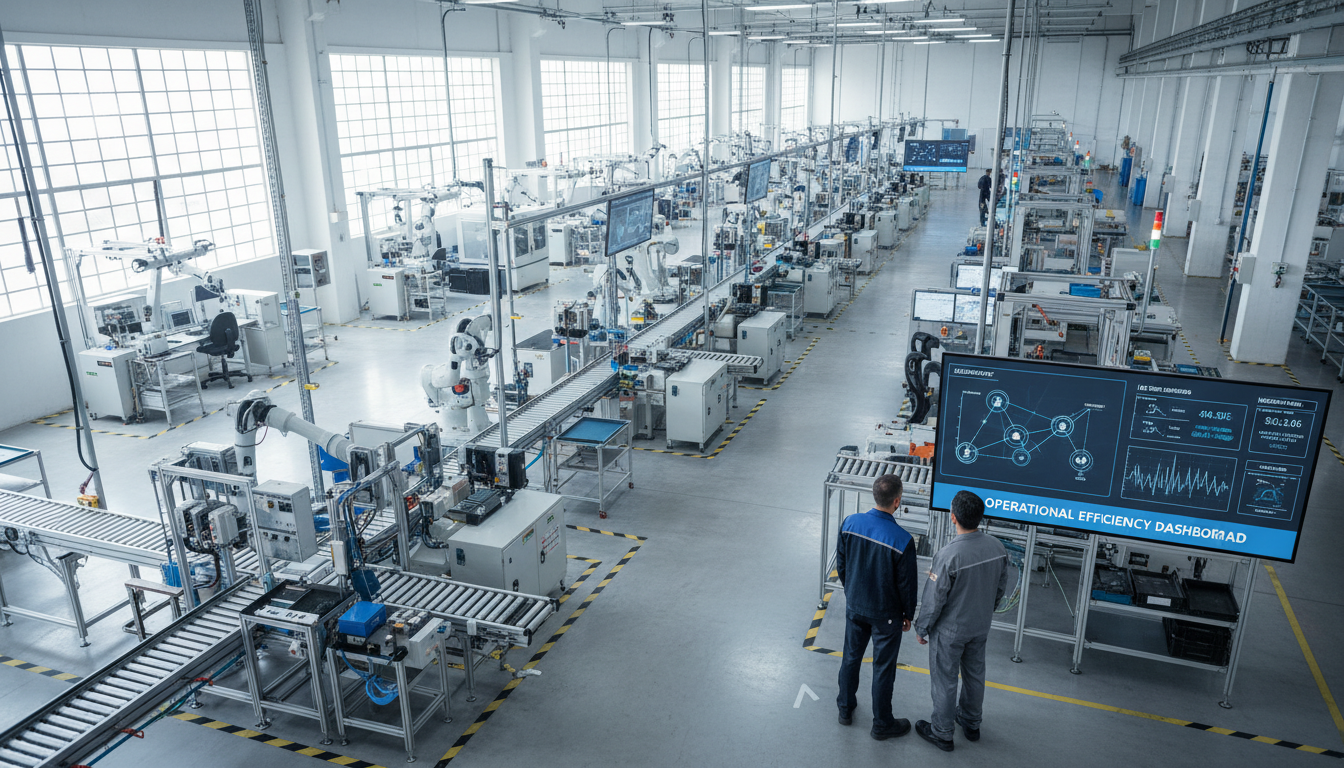
In conclusion, industrial process control software is an indispensable tool for modern industries. By understanding its components, benefits, and challenges, businesses can make informed decisions to enhance their operations and stay ahead in a competitive market.