Debunking Myths About Industrial Automation


Understanding Industrial Automation
Industrial automation is revolutionizing the way industries operate, yet several myths persist about its impact and functionality. This blog post aims to debunk common misconceptions and shed light on the true nature of automation in industrial settings.
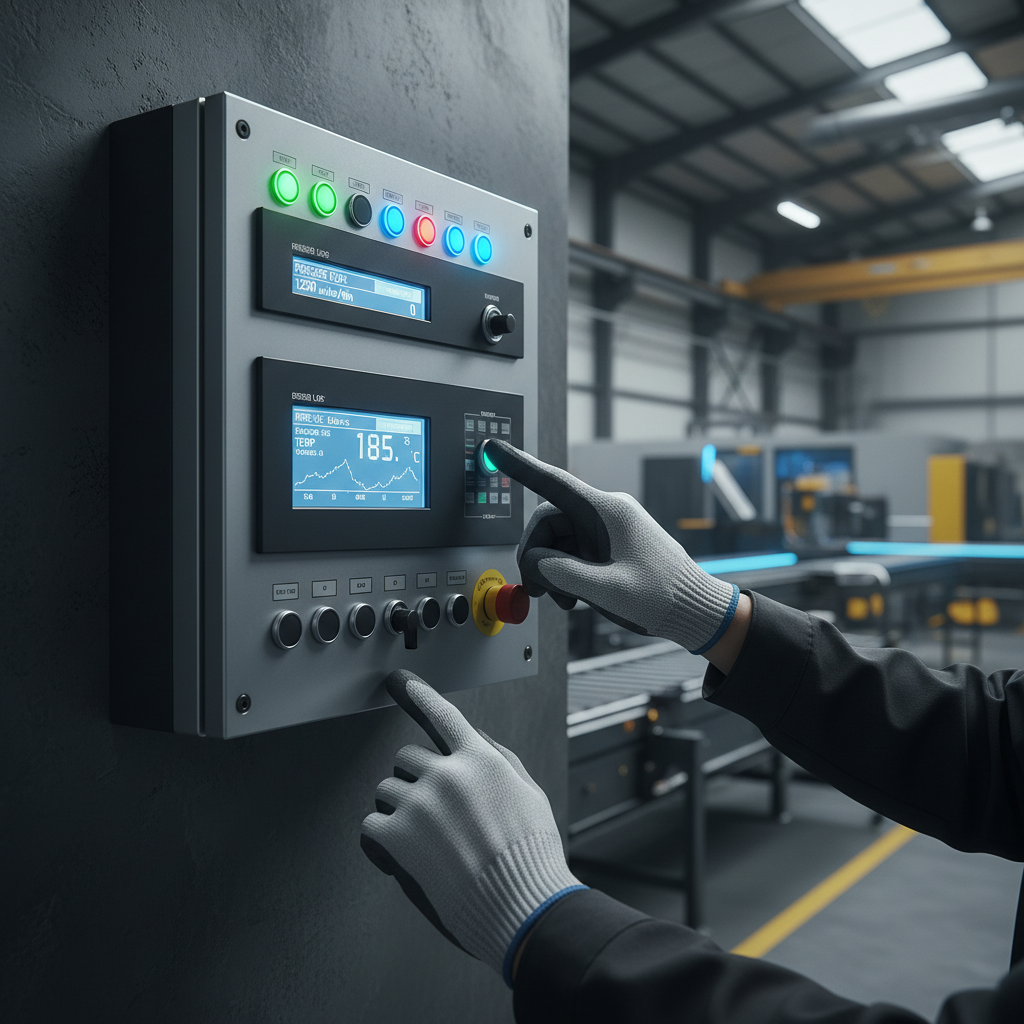
Myth 1: Automation Leads to Massive Job Losses
One of the most prevalent myths is that automation results in widespread unemployment. While it's true that automation can replace certain manual tasks, it also creates new opportunities. Many industries experience a transformation where workers are required to operate and maintain automated systems, leading to upskilling and job evolution rather than elimination.
Studies have shown that automation can enhance productivity and allow workers to focus on more complex and creative tasks, ultimately benefiting both employees and employers. Embracing automation can lead to a more efficient workforce that is capable of performing higher-value tasks.
The Reality of Automation Costs
Another common misconception is that implementing automation is prohibitively expensive and only accessible to large corporations. In reality, automation solutions can be scaled to fit businesses of various sizes. Small and medium-sized enterprises (SMEs) can also benefit from tailored automation systems that improve efficiency without breaking the bank.
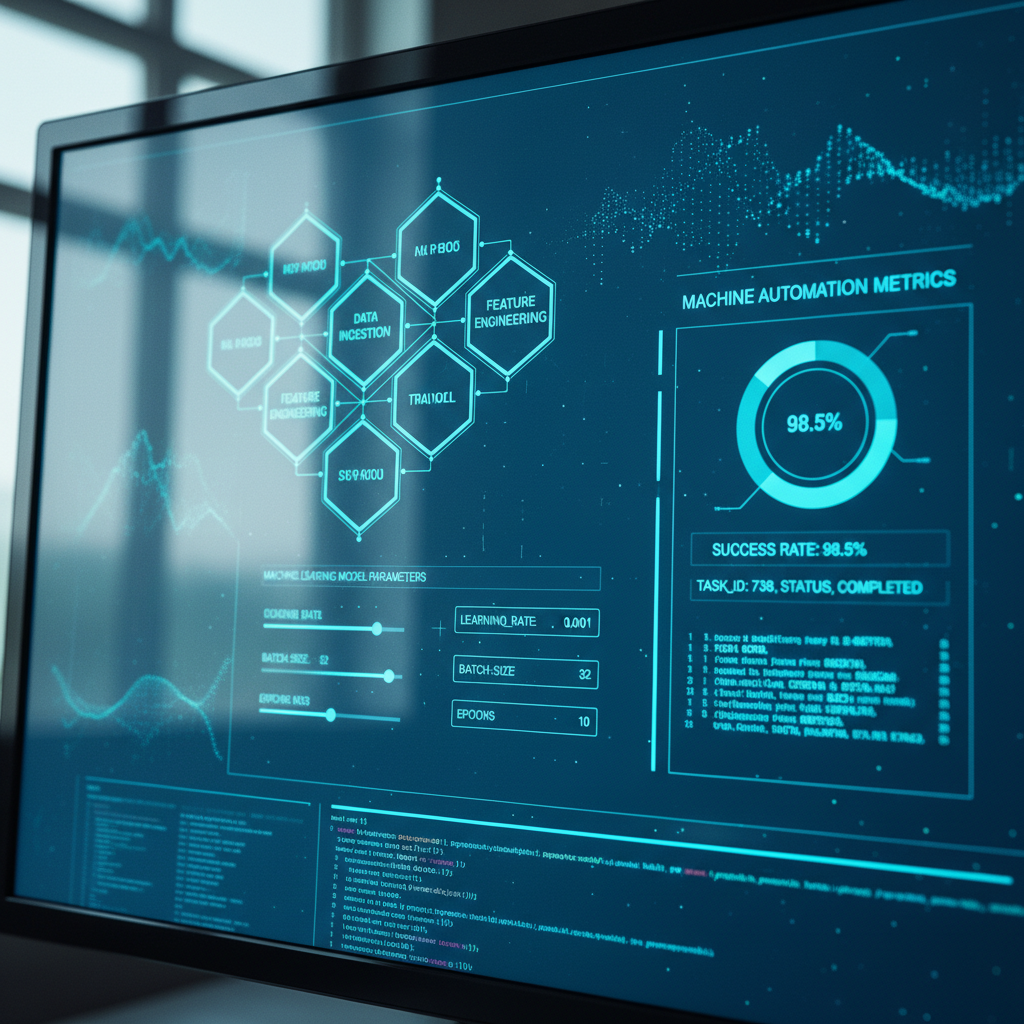
Myth 2: Automation Reduces Product Quality
Some believe that automated systems compromise product quality due to a lack of human oversight. However, automation often enhances quality by minimizing human error and ensuring consistency. Automated systems can perform tasks with precision and accuracy that surpass human capabilities, leading to higher-quality outputs.
Quality control processes can also be automated, allowing for real-time monitoring and adjustments, which further enhances product standards. This integration ensures that quality is maintained throughout the production process.
Flexibility and Adaptability
There's a notion that automated systems are rigid and inflexible. However, modern automation technologies are designed with adaptability in mind. They can be programmed to handle multiple tasks and quickly adapt to changes in production requirements.
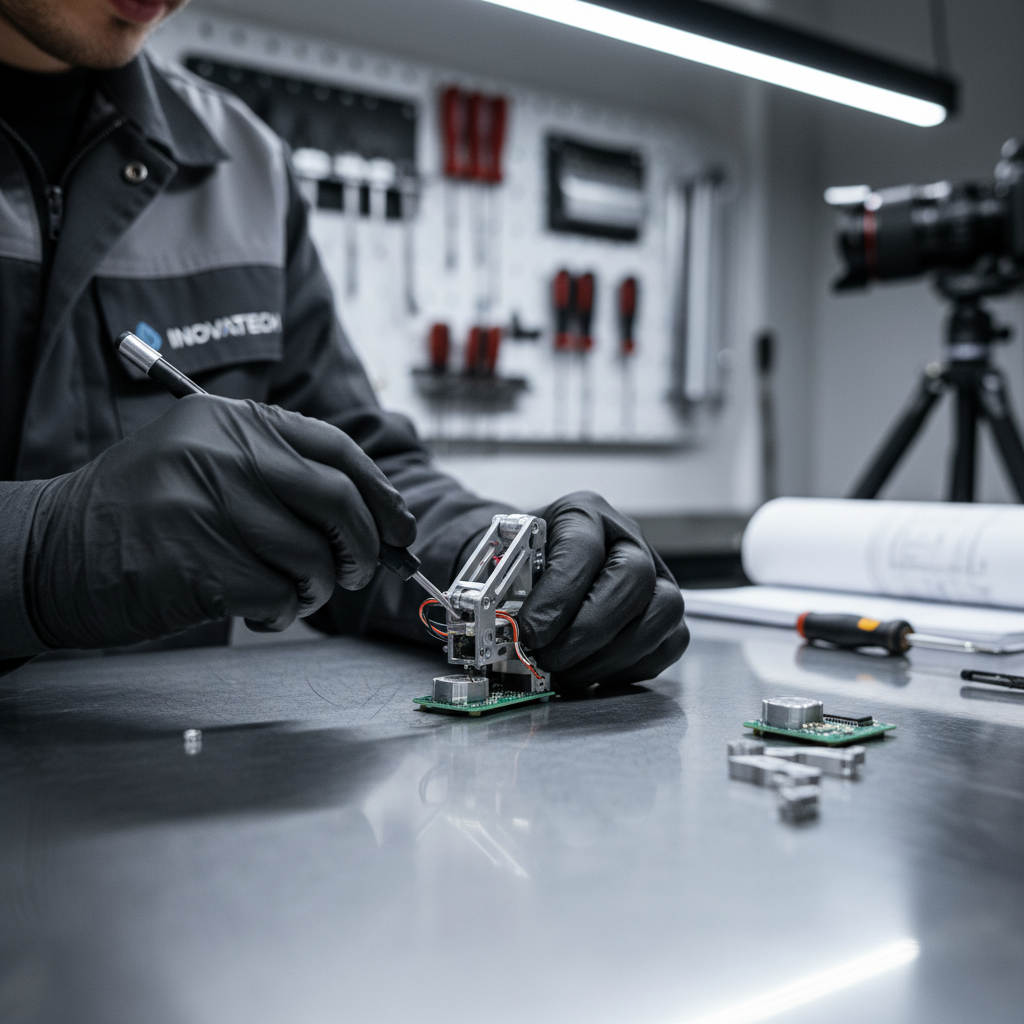
Myth 3: Automation Is Only for High-Tech Industries
Contrary to popular belief, automation is not limited to high-tech industries. It is widely applicable across various sectors, including agriculture, healthcare, and retail. Automation technologies are diverse and can be customized to meet the needs of different industries, improving efficiency and effectiveness across the board.
From automated packaging in food production to robotic surgery in healthcare, the possibilities are vast, demonstrating that automation is a versatile tool that can benefit a wide range of fields.
The Future of Industrial Automation
As technology continues to advance, the potential for industrial automation grows. It's essential to recognize that automation is not about replacing humans but rather enhancing human capabilities. By understanding and embracing the true nature of automation, industries can innovate and thrive in an ever-evolving landscape.