Expert Insights: Future Trends in Industrial Process Automation


Introduction to Industrial Process Automation
Industrial process automation is evolving at a rapid pace, transforming the way industries operate. As technology advances, automation becomes more sophisticated, offering enhanced efficiency and productivity. In this post, we explore the future trends shaping this dynamic field.
AI and Machine Learning Integration
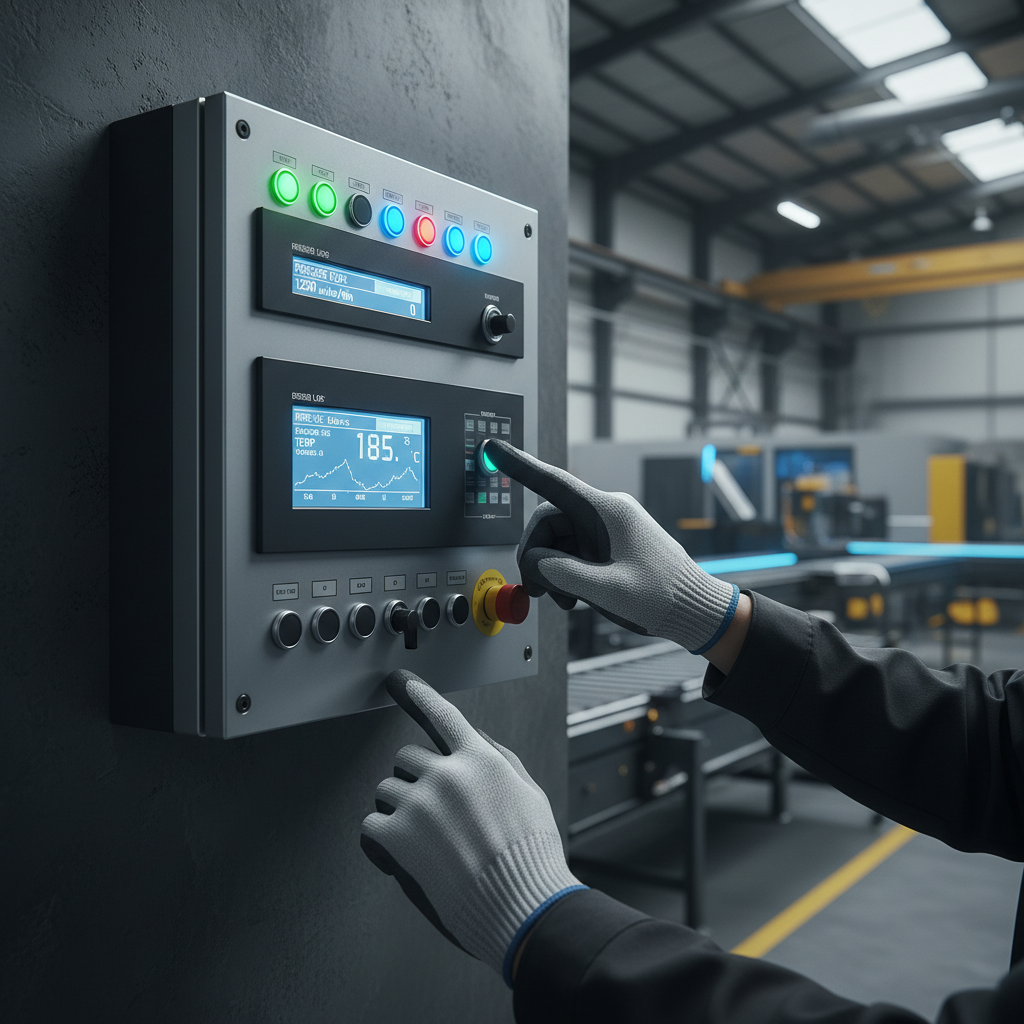
The integration of AI and machine learning in industrial automation is a game-changer. These technologies enable systems to learn from data, optimize processes, and predict maintenance needs. By analyzing patterns, AI can significantly reduce downtime and improve operational efficiency.
Machine learning algorithms can also be used to enhance quality control, ensuring consistent product standards. As these technologies mature, their impact on industrial processes will continue to grow, offering unprecedented levels of automation.
Internet of Things (IoT) Connectivity
The proliferation of IoT devices is another key trend in industrial automation. IoT connectivity allows for seamless communication between machines and systems, facilitating real-time data exchange. This connectivity improves decision-making by providing accurate and timely information.
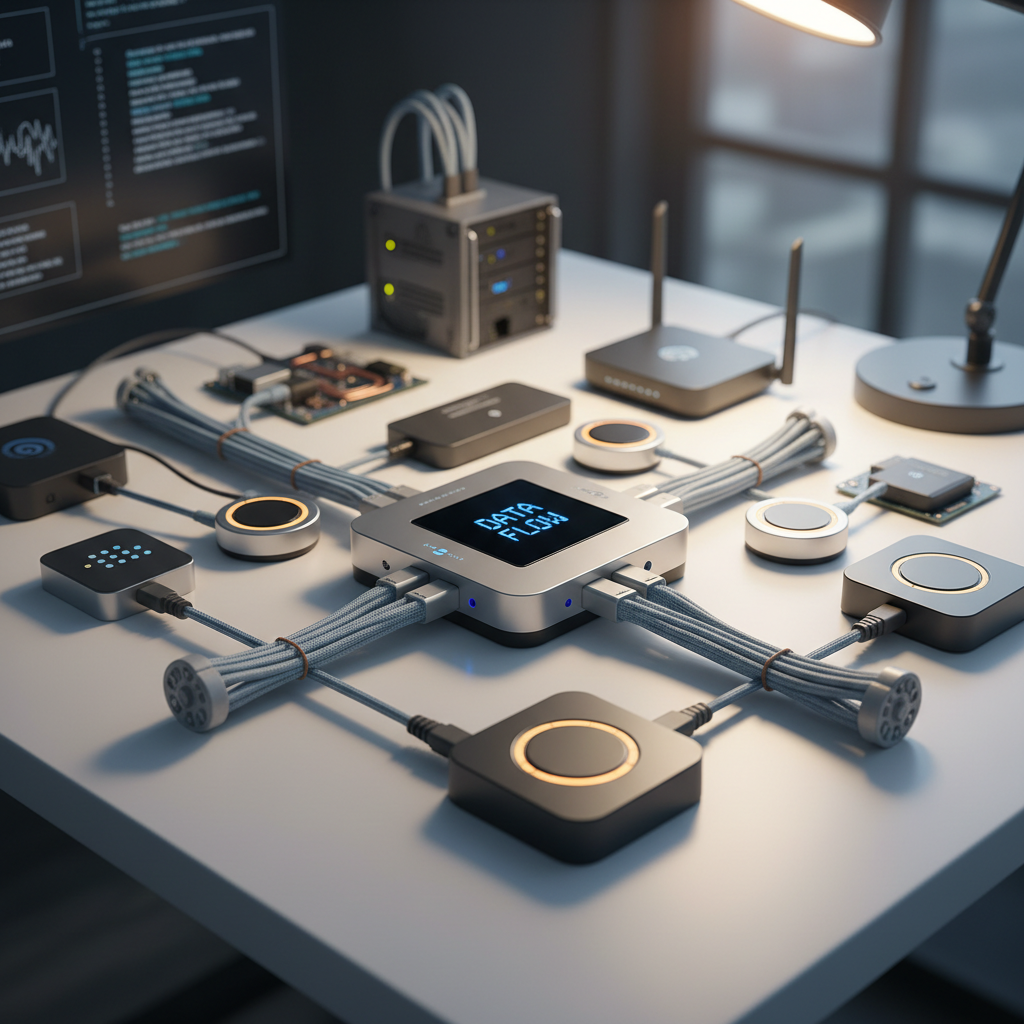
With IoT, industries can implement smart factories where devices automatically adjust to changes in production demands. The result is a more responsive and agile manufacturing process, capable of meeting the ever-evolving needs of the market.
Robotics and Autonomous Systems
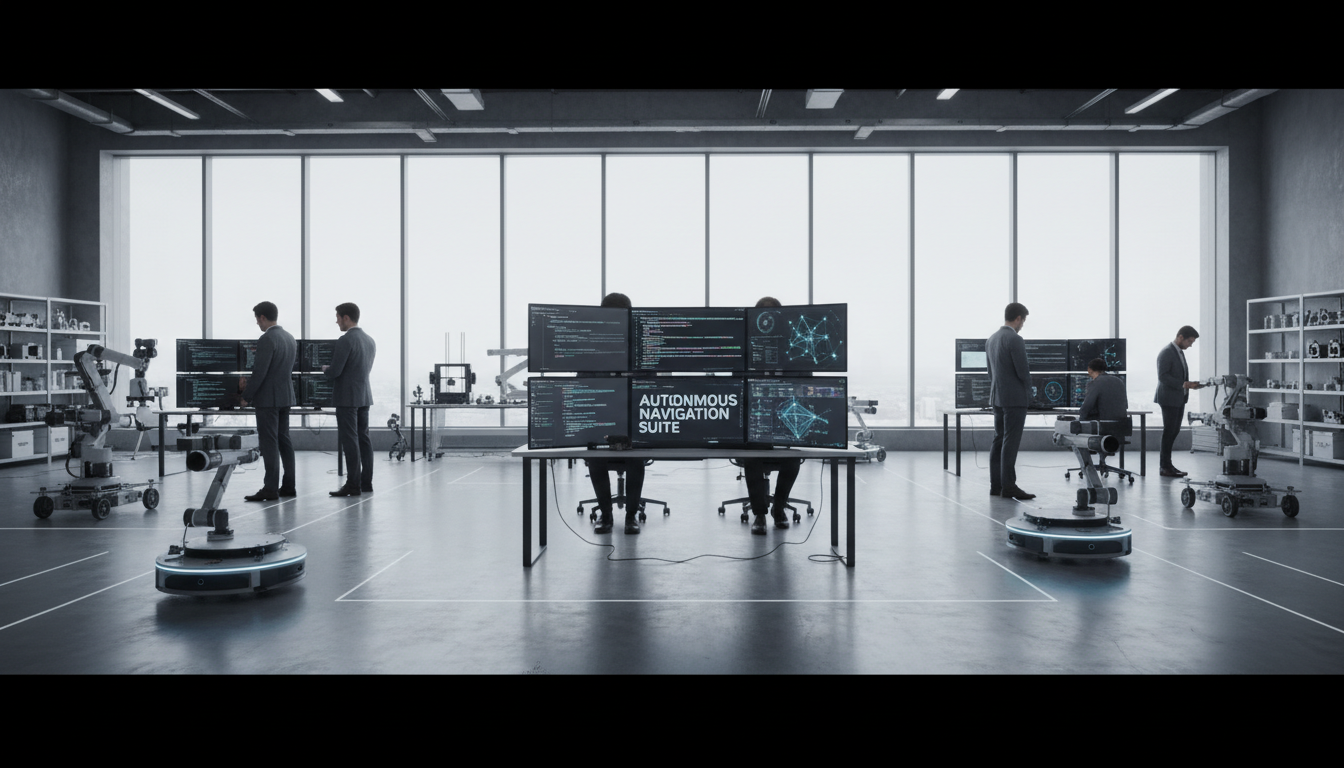
Robotics and autonomous systems are becoming integral components of industrial automation. These systems are not only enhancing productivity but also improving safety by taking over dangerous tasks. The development of collaborative robots, or cobots, is particularly noteworthy.
Cobots work alongside human operators, enhancing their capabilities and allowing for greater efficiency. As robotics technology advances, we can expect to see even more sophisticated systems that further revolutionize industrial processes.
Cybersecurity in Automation
With increased connectivity comes the need for robust cybersecurity measures. Protecting industrial systems from cyber threats is crucial to ensure the integrity and safety of operations. Future trends in automation will focus on developing advanced security protocols to safeguard sensitive data and control systems.
The implementation of AI-driven cybersecurity solutions will play a significant role in detecting and mitigating threats, providing a secure environment for automated processes to flourish.
Sustainability and Energy Efficiency
Sustainability is becoming a priority in industrial automation. Future trends will focus on enhancing energy efficiency and reducing environmental impact. Automation systems are being designed to optimize resource use, minimize waste, and lower carbon footprints.
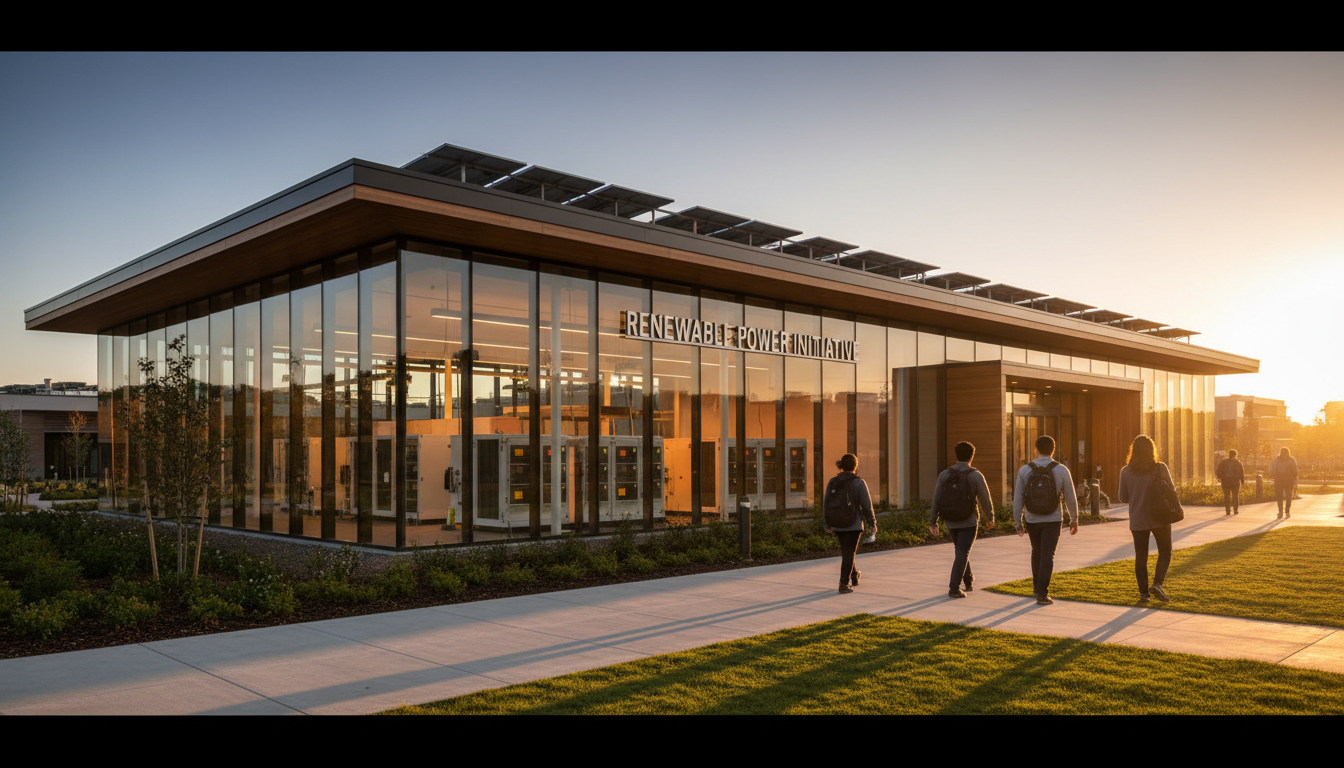
Industries are increasingly adopting sustainable practices, utilizing renewable energy sources, and implementing eco-friendly technologies. This shift towards sustainability not only benefits the environment but also offers long-term economic advantages.
Conclusion
The future of industrial process automation is bright, driven by technological innovations that promise to redefine industry standards. From AI and IoT to robotics and sustainability, these trends are paving the way for a more efficient, secure, and environmentally friendly industrial landscape. Embracing these changes will be crucial for industries looking to stay competitive in the global market.