Expert Insights: The Future of Industrial Automation in Hungary


Introduction to Industrial Automation in Hungary
In recent years, Hungary has emerged as a significant player in the realm of industrial automation. Thanks to its strategic location and skilled workforce, the country is well-positioned to leverage advancements in technology to enhance productivity and efficiency across various sectors. As we look to the future, understanding the trends and opportunities in this field is crucial for businesses and investors alike.
Technological Advancements Driving Change
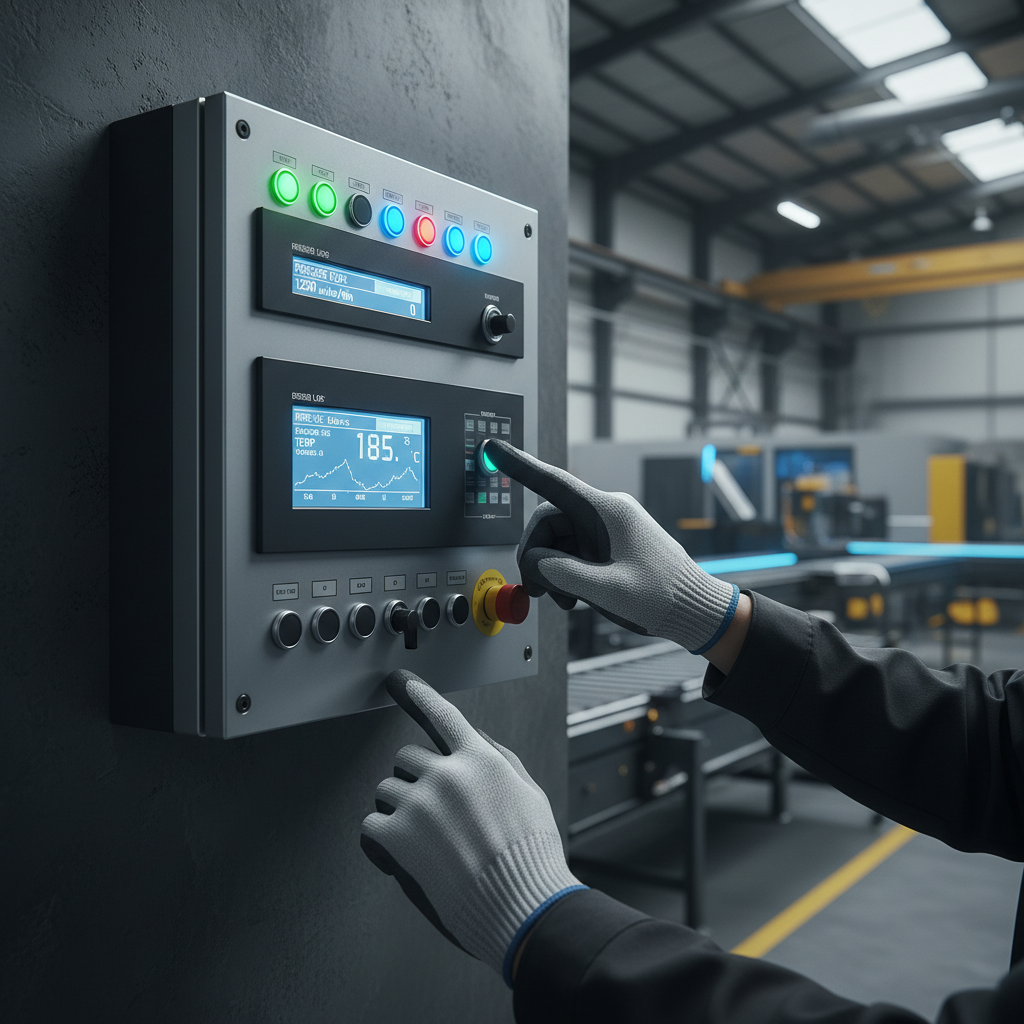
The rapid evolution of technologies such as the Internet of Things (IoT), artificial intelligence (AI), and robotics is reshaping the industrial landscape in Hungary. These technologies are enabling factories to operate with unprecedented efficiency, reducing downtime and minimizing errors. By integrating AI-driven analytics, companies can make data-driven decisions that optimize production processes.
Moreover, the adoption of IoT devices allows for real-time monitoring and control of equipment, leading to smarter and more responsive manufacturing environments. This connectivity is crucial for predictive maintenance, which can significantly cut costs and enhance operational longevity.
The Role of Government and Policy
The Hungarian government has been proactive in supporting the growth of industrial automation. Initiatives and incentives are in place to encourage innovation and attract foreign investment. Furthermore, policies aimed at improving infrastructure and digital connectivity are helping to create a more conducive environment for technological advancement.

Skilled Workforce and Education
One of Hungary's greatest assets is its skilled workforce. The country's educational institutions are increasingly focusing on STEM (Science, Technology, Engineering, and Mathematics) disciplines to prepare the next generation of engineers and technicians. This focus is critical as the demand for skilled professionals in automation and robotics continues to grow.
Training programs and partnerships with industry leaders are also essential in bridging the gap between academic knowledge and practical application. As the industry evolves, ongoing education and reskilling will be vital to maintain competitiveness.

Key Challenges and Considerations
Despite the promising future, there are challenges that must be addressed. Cybersecurity remains a significant concern as more systems become interconnected. Ensuring data protection and system integrity is paramount to prevent disruptions and maintain trust.
Additionally, the integration of new technologies can be costly. Companies must evaluate the return on investment and manage the transition carefully to avoid potential pitfalls. Strategic planning and investment in scalable solutions will be essential for long-term success.
Looking Ahead: Opportunities for Growth
The future of industrial automation in Hungary is bright, with numerous opportunities for growth and innovation. Sectors such as automotive, electronics, and pharmaceuticals are particularly well-suited to benefit from automation technologies. By embracing these advancements, Hungary can enhance its competitive edge on the global stage.
Collaboration between industry, academia, and government will be key in fostering a robust ecosystem that supports continuous improvement and innovation. As Hungary advances in this field, the potential for economic growth and job creation is substantial.