Expert Insights: Trends in Industrial Process Control


Understanding the Evolution of Industrial Process Control
Industrial process control is undergoing a significant transformation. As technology continues to evolve, industries are integrating advanced systems to optimize operations, reduce costs, and enhance productivity. This shift is driven by the need for more efficient processes and the demand for higher quality outputs. Understanding these trends is crucial for businesses looking to stay competitive.
Embracing Digital Transformation
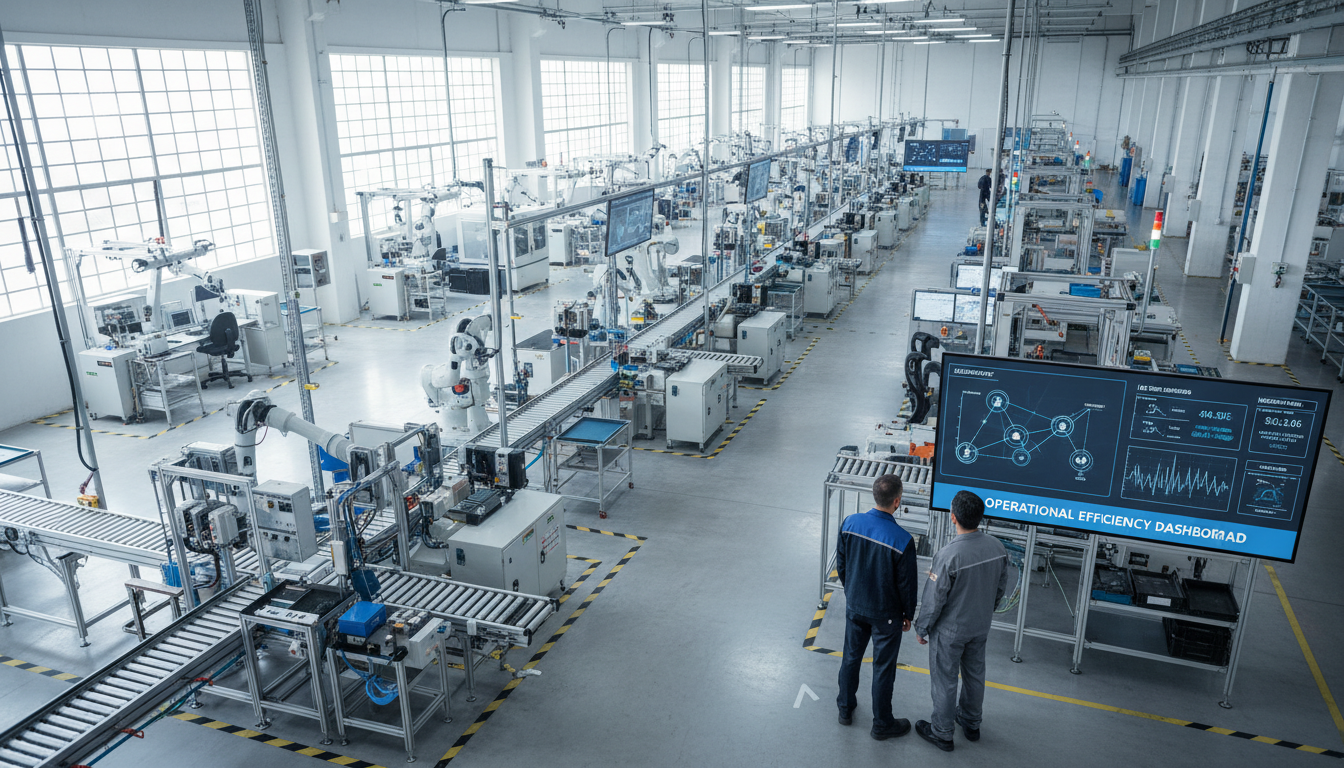
One of the most notable trends in industrial process control is the move towards digital transformation. This involves the integration of digital technology into all areas of operations, fundamentally changing how businesses operate and deliver value to customers. Industries are adopting technologies such as the Internet of Things (IoT), artificial intelligence (AI), and machine learning to enhance process control.
The use of IoT devices allows for real-time monitoring and data collection, which can be analyzed to make informed decisions. AI and machine learning further enhance this by providing predictive analytics, helping to foresee potential issues and optimize processes proactively.
The Rise of Automation
Automation is another critical trend in industrial process control. By automating repetitive tasks, businesses can increase efficiency and reduce human error. Robotics and advanced control systems are now commonplace in many industries, from manufacturing to pharmaceuticals.
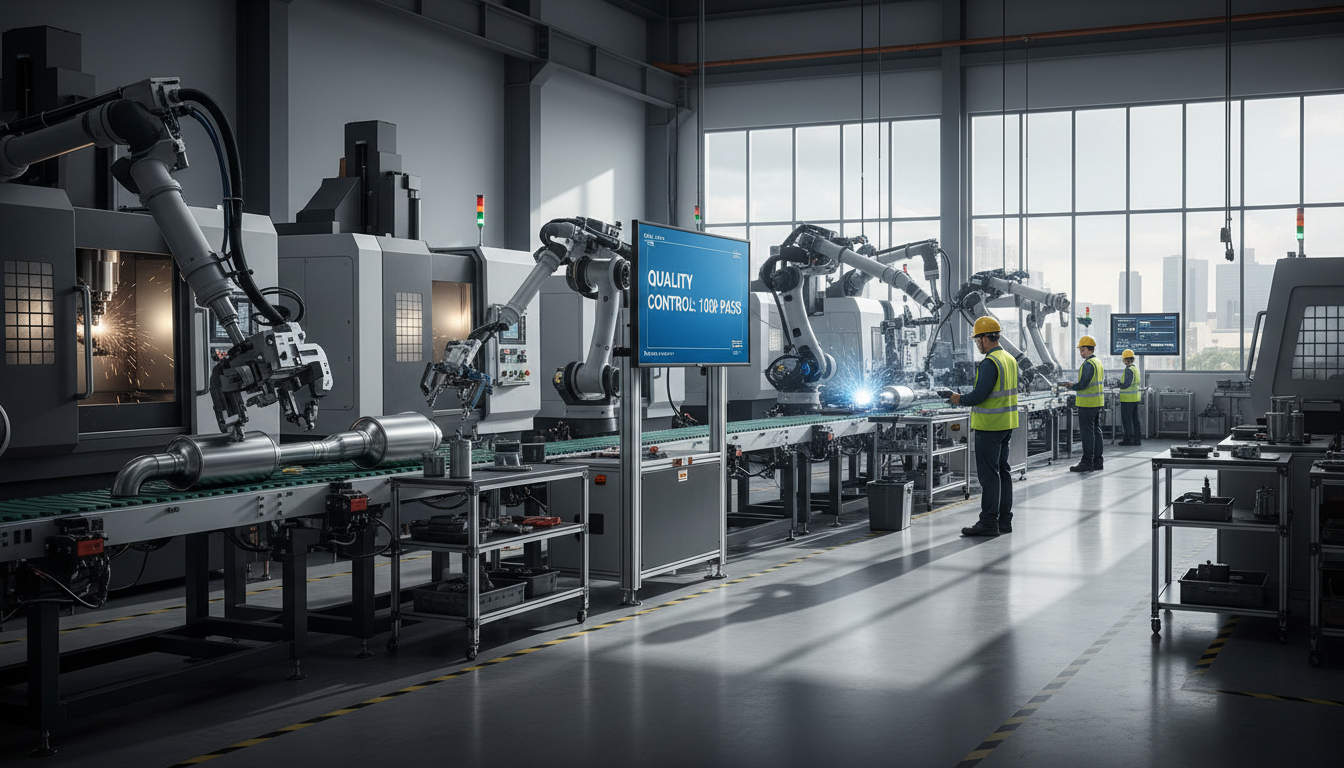
Automation not only improves efficiency but also enhances safety by minimizing the need for human intervention in hazardous environments. This shift towards automated systems is expected to continue growing, with more sophisticated technologies being developed to handle complex tasks.
Focus on Sustainability
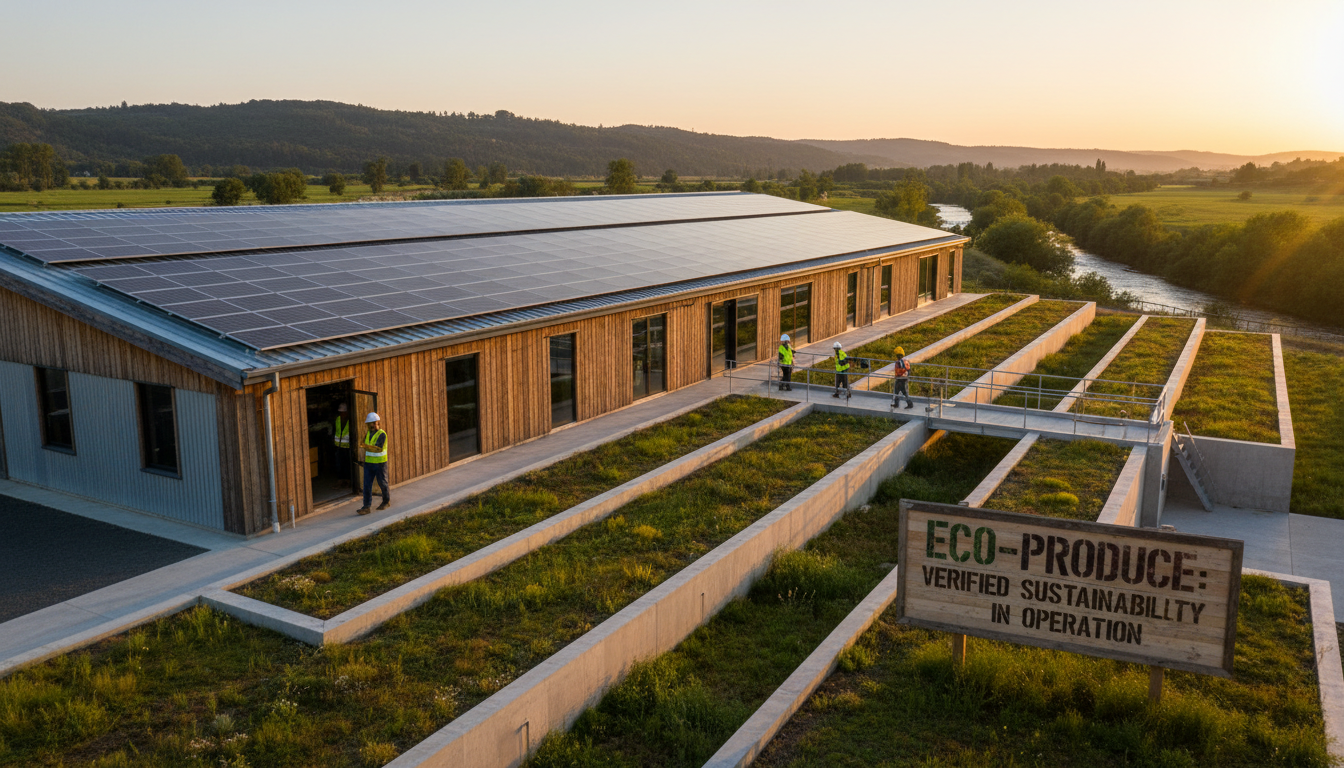
Sustainability has become a key consideration in industrial process control. Companies are increasingly implementing eco-friendly practices to reduce their carbon footprint and comply with environmental regulations. This includes using energy-efficient equipment, recycling materials, and optimizing resource usage.
- Energy-efficient machinery
- Waste reduction strategies
- Recycling and reuse of materials
These practices not only contribute to environmental protection but also offer cost savings in the long run, making sustainability a win-win for businesses and the planet.
Cybersecurity Challenges
As industries become more connected, cybersecurity has emerged as a critical concern. Protecting sensitive data and ensuring the integrity of process control systems is paramount. Cyberattacks can have devastating effects on operations, leading to financial losses and reputational damage.
Industries are investing in robust cybersecurity measures, including firewalls, encryption, and regular security audits, to safeguard their systems. Staying ahead of potential threats is essential to maintaining operational continuity and trust with customers.
Conclusion
The landscape of industrial process control is rapidly changing, driven by technological advancements and a focus on sustainability. By embracing digital transformation, automation, and proactive cybersecurity measures, industries can enhance their efficiency and resilience in an ever-evolving market. Staying informed about these trends is crucial for businesses aiming to thrive in the future.