How to Prepare Your Industrial Systems for Seasonal Changes


Understanding Seasonal Impacts on Industrial Systems
Seasonal changes can significantly impact industrial systems, affecting everything from temperature control to machinery performance. Preparing for these changes is crucial to maintaining efficiency and preventing costly disruptions. By understanding the specific challenges each season presents, you can better equip your systems to handle fluctuations.
Assessing Your Current Systems
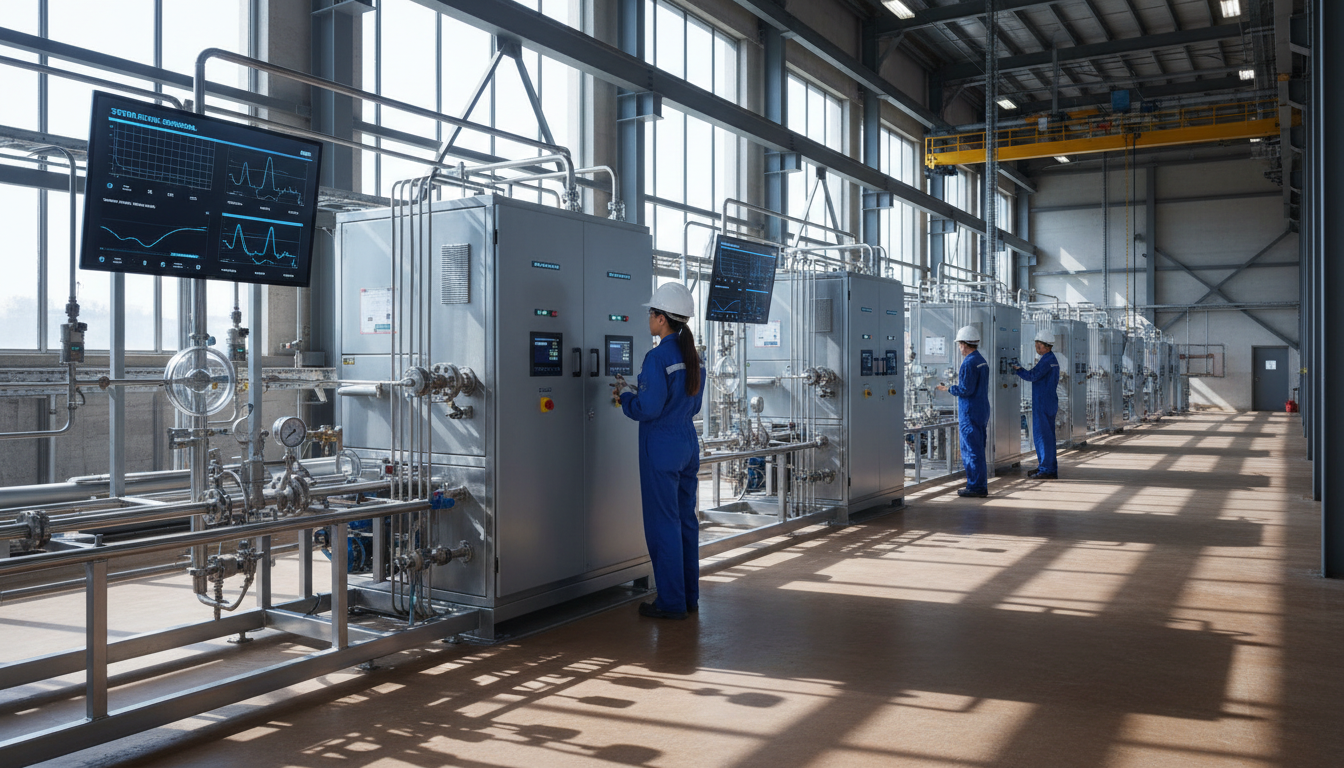
Begin by assessing your current systems to identify potential vulnerabilities. This includes examining your HVAC systems, pipelines, and machinery. Look for any signs of wear or inefficiencies that could be exacerbated by seasonal changes. Regular maintenance checks are essential for preventing unexpected breakdowns.
Consider conducting a thorough inspection of your equipment. This allows you to catch minor issues before they become major problems. Make sure that all parts are functioning correctly and that there are no leaks or blockages.
Implementing Seasonal Maintenance
Once you have assessed your systems, implement a seasonal maintenance plan. This should include specific tasks tailored to each season. For example, during the winter months, focus on insulating pipes and ensuring heating systems are operational. In the summer, prioritize cooling systems and ventilation.

Regular maintenance not only extends the lifespan of your equipment but also ensures safety and compliance with industry regulations. Employ a proactive approach by scheduling maintenance well in advance of seasonal shifts.
Updating Your Technology
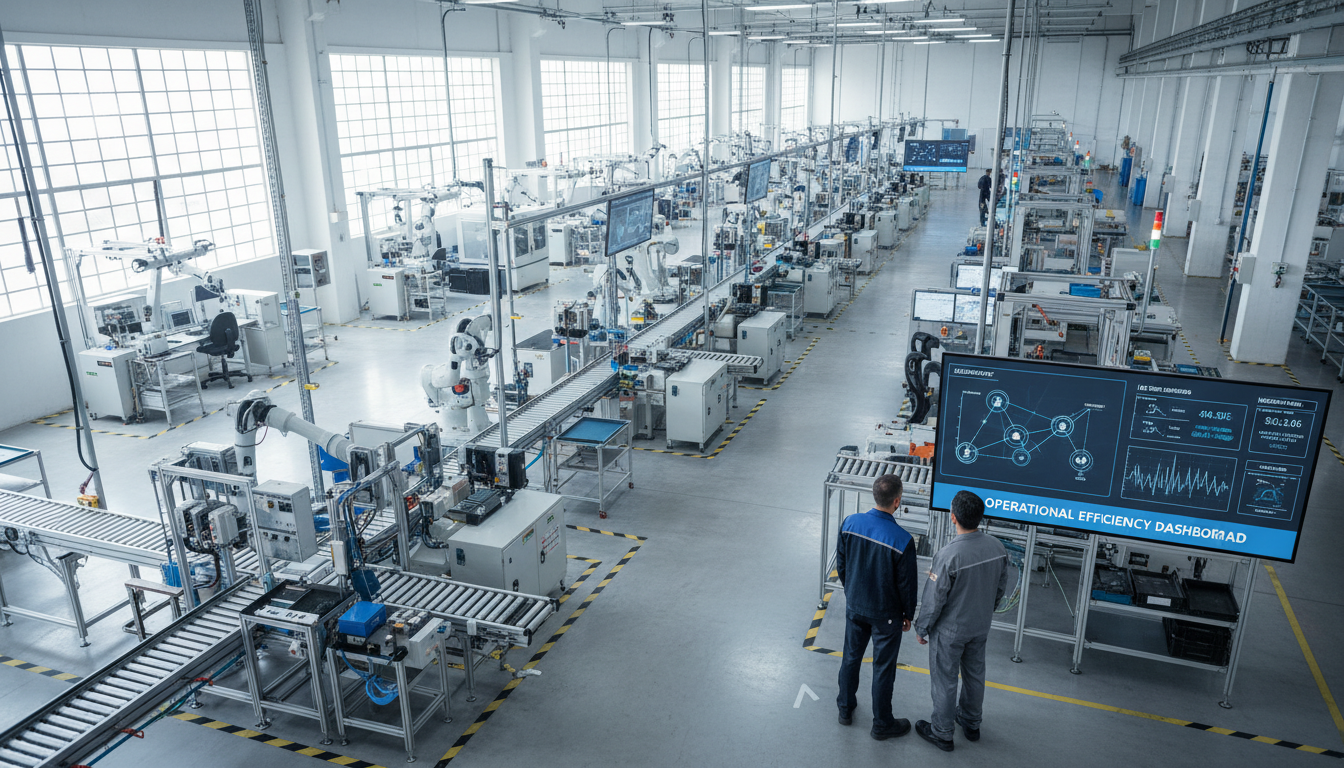
Consider updating your technology to better handle seasonal changes. Modern systems often include advanced sensors and automation features that can adjust settings based on environmental conditions. These updates can significantly enhance the efficiency and resilience of your operations.
Investing in smart technology can help you monitor system performance in real-time, allowing for quicker adjustments and minimizing downtime. This proactive approach can save both time and money in the long run.
Training Your Team
Ensure your team is well-trained to handle seasonal changes. This involves educating them on the specific challenges each season presents and teaching them how to respond effectively. Regular training sessions can keep your staff up-to-date on the latest technologies and maintenance practices.
Encourage open communication within your team, so they feel comfortable reporting any issues they observe. A well-informed team is your first line of defense against seasonal disruptions.
Developing a Contingency Plan
Finally, develop a contingency plan to address potential emergencies. This plan should outline steps to take in the event of a system failure due to seasonal factors. Having a strategy in place can significantly reduce the impact of any unforeseen events.
Your contingency plan should include contact information for emergency services, backup procedures, and clear roles and responsibilities for your team. Regularly review and update this plan to ensure it remains effective.

By taking these steps, you can prepare your industrial systems for seasonal changes, ensuring smooth and efficient operations year-round. Proactive preparation is key to maintaining productivity and minimizing risks associated with seasonal fluctuations.