Innovative Trends in Industrial Automation: What's Next?


Introduction
The world of industrial automation is evolving at a rapid pace, driven by technological advancements and the need for increased efficiency. With innovations emerging every day, businesses are finding new ways to streamline operations and enhance productivity. But what does the future hold for industrial automation? Let’s explore the latest trends and what’s next in this dynamic field.
Rise of Artificial Intelligence
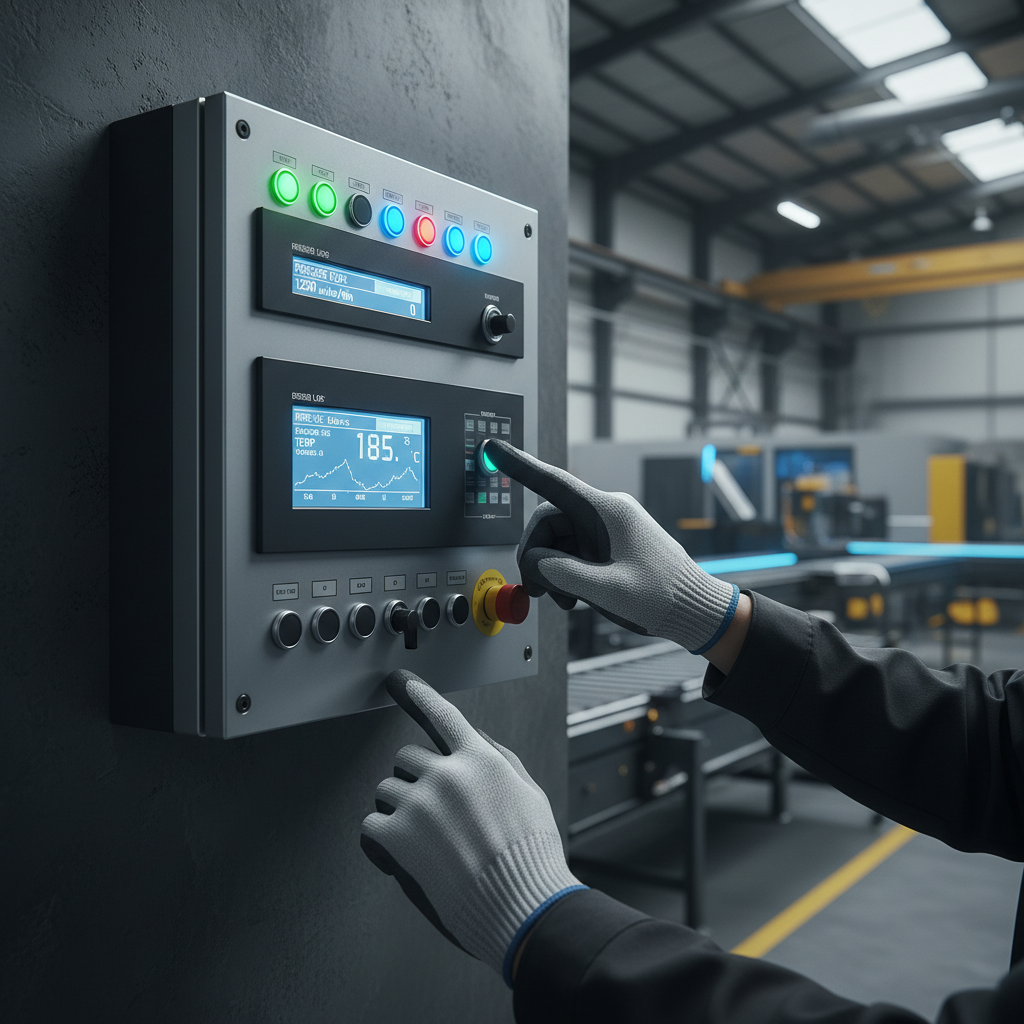
Artificial Intelligence (AI) is transforming the landscape of industrial automation. AI-powered systems are capable of learning from data, making decisions, and improving over time. This adaptability allows for more precise control and optimization of manufacturing processes. Industries are increasingly relying on AI to predict maintenance needs, reduce downtime, and enhance overall efficiency.
Machine Learning Applications
Machine Learning, a subset of AI, is playing a crucial role in predictive maintenance and quality control. By analyzing vast amounts of data, machine learning algorithms can identify patterns and predict equipment failures before they occur. This proactive approach not only saves time but also reduces costs significantly.

Internet of Things (IoT) Integration
The Internet of Things (IoT) is another groundbreaking trend reshaping industrial automation. IoT devices connect machines and systems, enabling real-time data exchange and analysis. This connectivity leads to smarter, more responsive manufacturing environments, where decisions can be made quickly based on live data.
Smart Factories
With IoT integration, the concept of smart factories is becoming a reality. These factories utilize interconnected devices to monitor processes, improve efficiency, and reduce waste. Enhanced communication between machines leads to more coordinated and agile operations.
Robotics and Automation
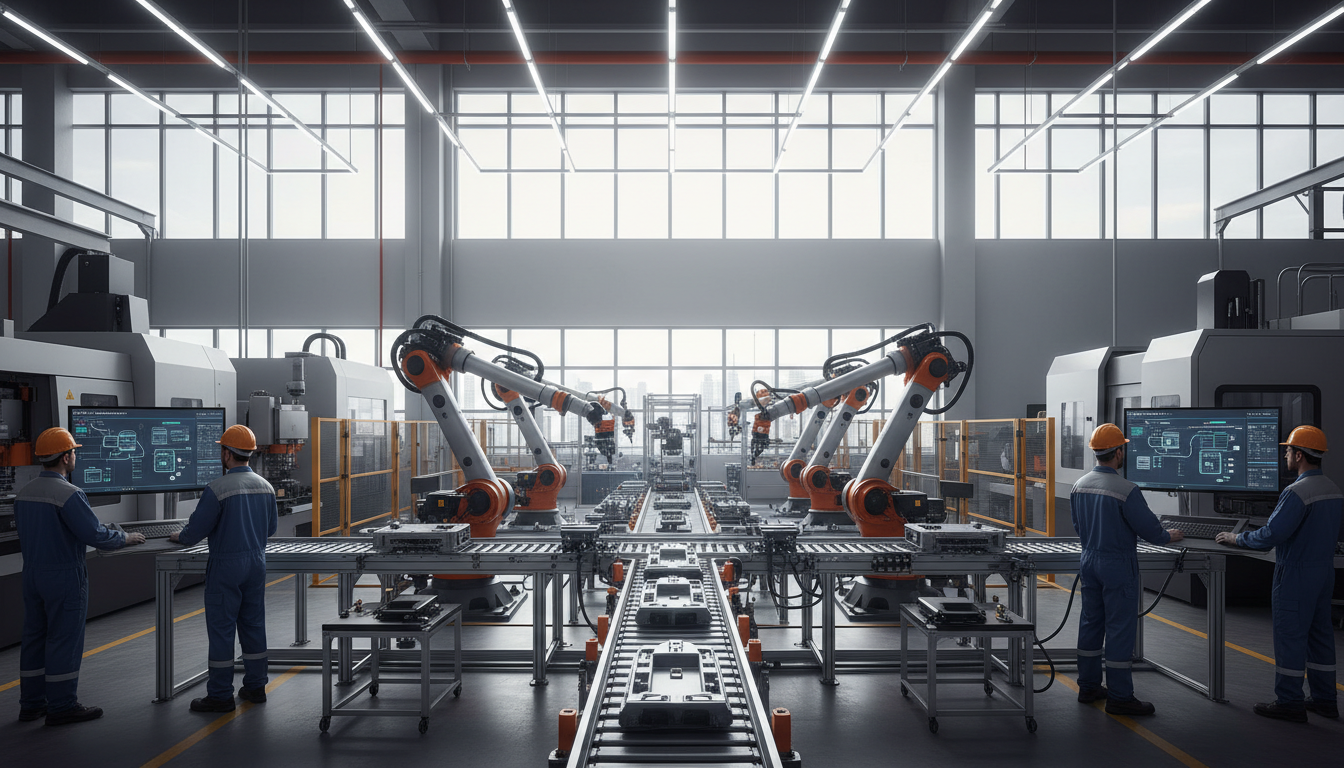
Robots have long been a staple in manufacturing, but recent advancements are taking automation to new heights. Collaborative robots, or cobots, are designed to work alongside humans, enhancing productivity and safety. These robots are easy to program and can adapt to changing tasks, making them invaluable in dynamic manufacturing environments.
Automation in Various Sectors
From automotive to electronics, different sectors are witnessing a surge in automation. Whether it's assembling products or handling materials, robots are becoming indispensable across industries. The ability to operate 24/7 without fatigue is a significant advantage, ensuring continuous production and efficiency.
Conclusion
As industrial automation continues to evolve, businesses must stay ahead of the curve by embracing these innovative trends. The integration of AI, IoT, and robotics is not just enhancing productivity but also paving the way for a smarter, more connected future. The potential for growth and innovation in this field is immense, and those who adapt will undoubtedly lead the way.