Latest Trends in Industrial Process Automation


The Rise of AI and Machine Learning
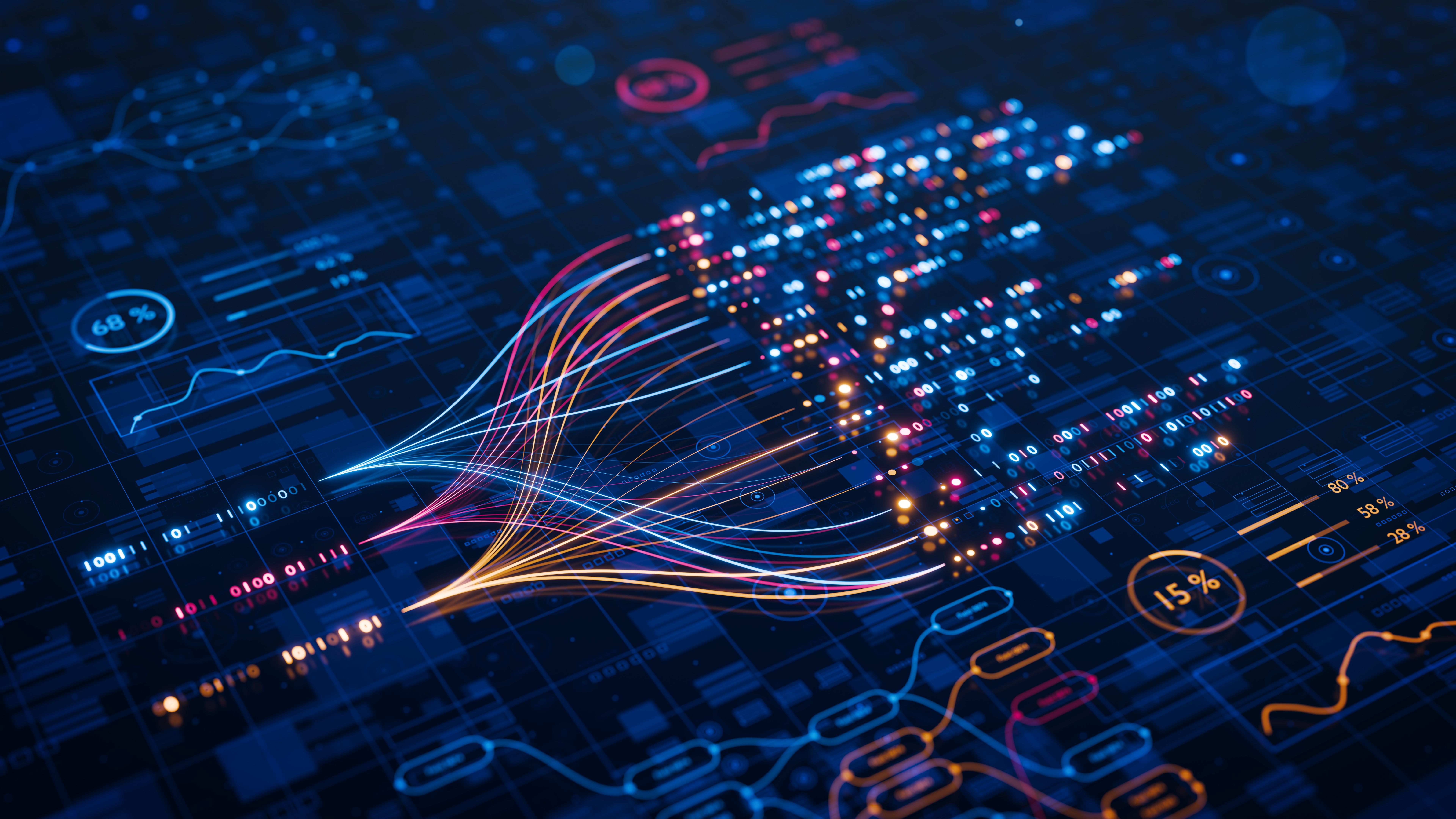
The integration of AI and Machine Learning in industrial process automation is revolutionizing the sector. These technologies allow systems to learn from data, improving efficiency and decision-making. By analyzing patterns, machines can predict maintenance needs, reducing downtime and saving costs.
AI-driven automation is also enhancing quality control by identifying defects in real-time, ensuring that products meet high standards. This innovation is contributing significantly to the optimization of production processes.
Adoption of IoT in Industrial Automation
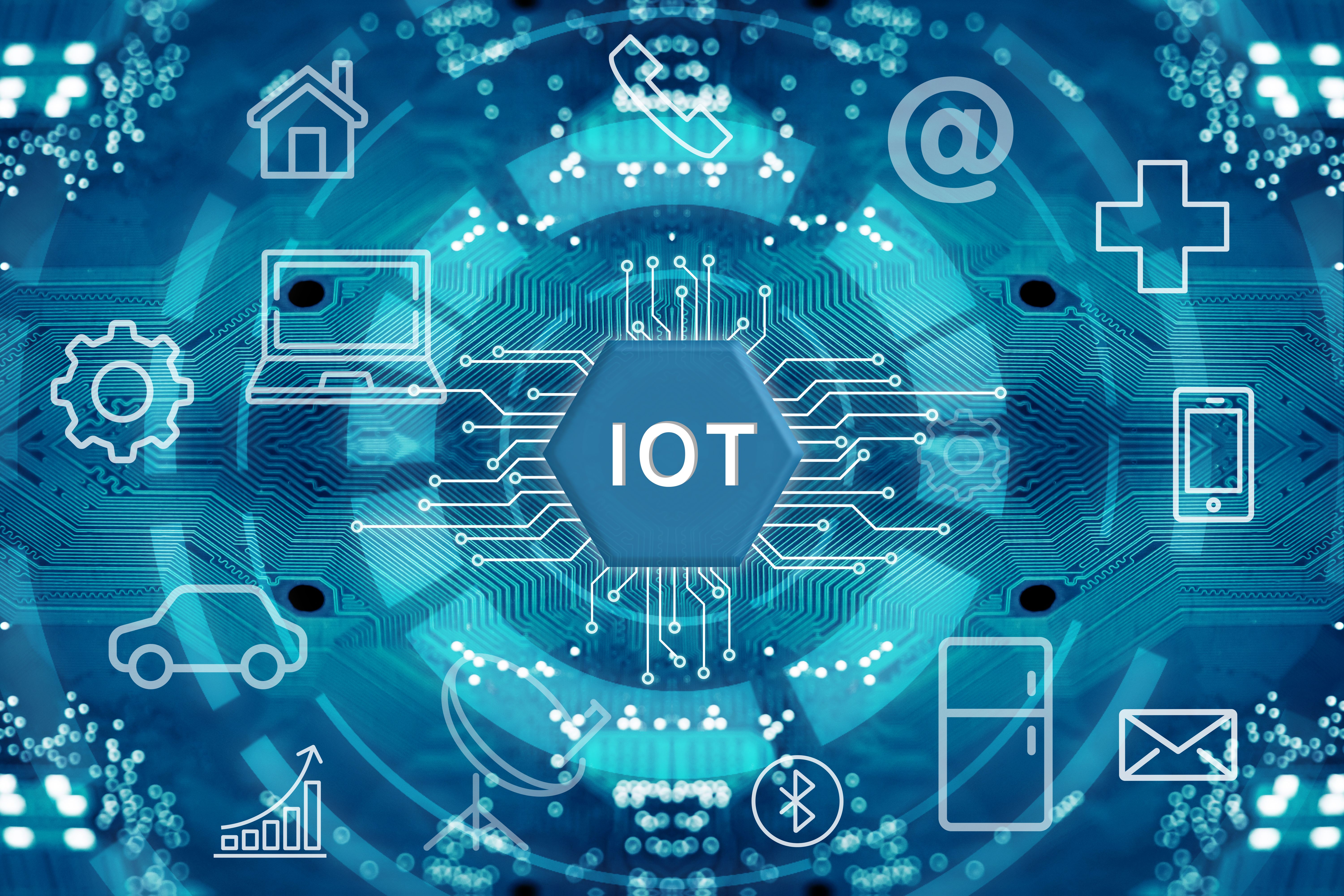
The Internet of Things (IoT) is another game-changer in industrial automation. IoT devices enable seamless communication between machinery, leading to streamlined operations. These devices collect valuable data that can be used for monitoring and improving processes.
Industries are leveraging IoT for predictive maintenance, energy management, and enhanced safety protocols. The connectivity provided by IoT ensures that any issue is swiftly addressed, minimizing operational disruptions.
Robotics and Cobots
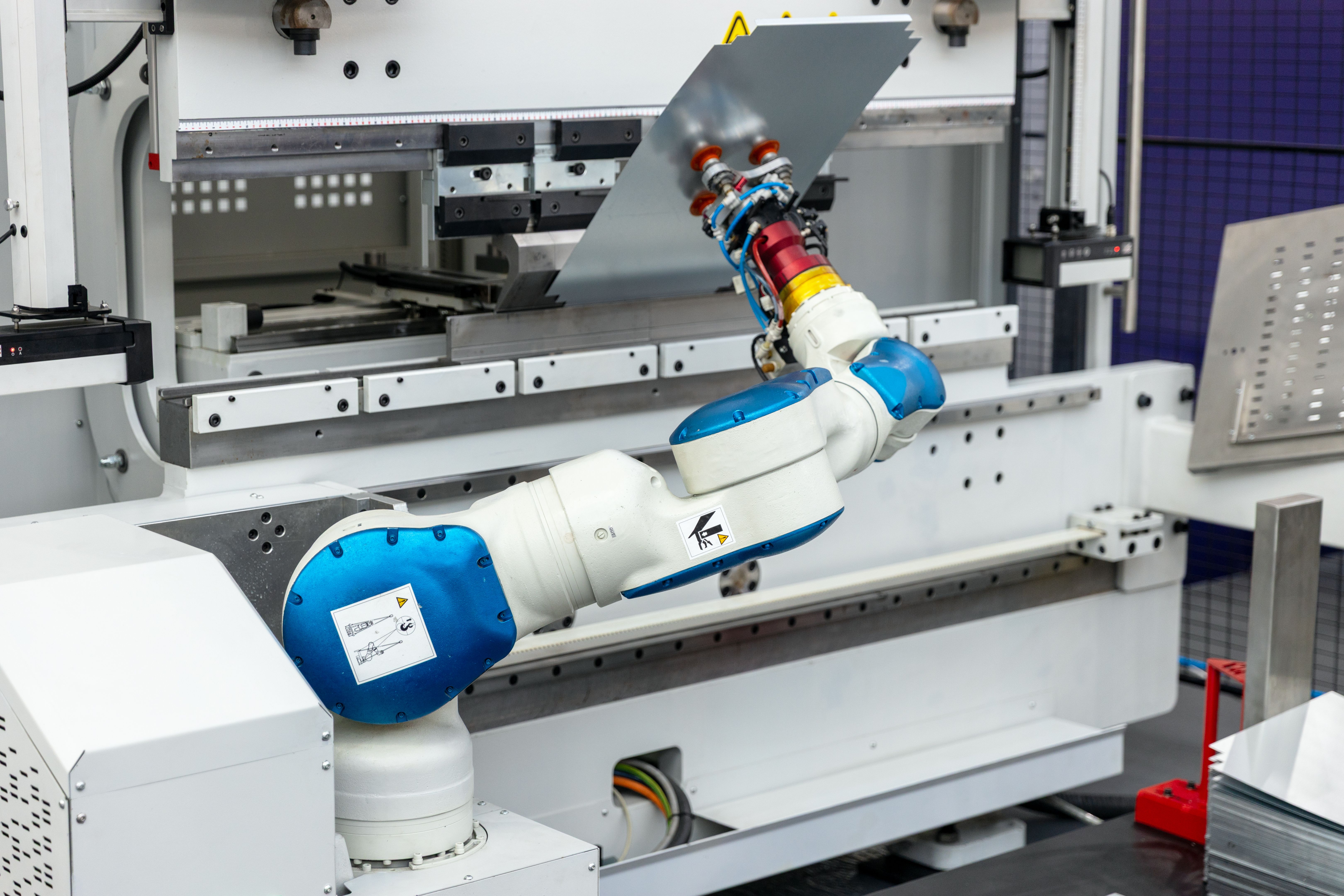
Robotics has long been a staple in industrial automation, but the introduction of collaborative robots, or cobots, is a recent trend. Cobots work alongside human operators, enhancing productivity and safety. They are designed to handle repetitive tasks, allowing human workers to focus on more complex activities.
The flexibility and adaptability of cobots make them ideal for various applications across industries, from assembly lines to packaging. Their ability to collaborate with humans is paving the way for more efficient and harmonious work environments.
Cloud Computing in Automation
Cloud computing is transforming how industries handle data and automation processes. By utilizing cloud platforms, companies can store and process vast amounts of data without investing in expensive infrastructure. This accessibility ensures that data-driven decisions can be made quickly and accurately.
Cloud-based automation solutions offer scalability and flexibility, making them ideal for businesses of all sizes. As a result, companies can adapt to market changes and demands more effectively.
Emphasis on Cybersecurity
With the increasing reliance on digital technologies, cybersecurity has become a critical concern in industrial process automation. Protecting sensitive data and systems from cyber threats is paramount for maintaining operational integrity.
Industries are investing in robust cybersecurity measures, including advanced encryption and real-time monitoring, to safeguard their operations. A secure automation environment not only protects data but also ensures the trust and reliability of automated systems.