Mastering Industrial Process Control: A Comprehensive Guide


Understanding Industrial Process Control
Industrial process control is a critical component in the manufacturing and production sectors. It involves managing and regulating processes to ensure efficiency, safety, and consistency. With the rise of automation and the Internet of Things (IoT), mastering process control has become more crucial than ever.
The Basics of Process Control
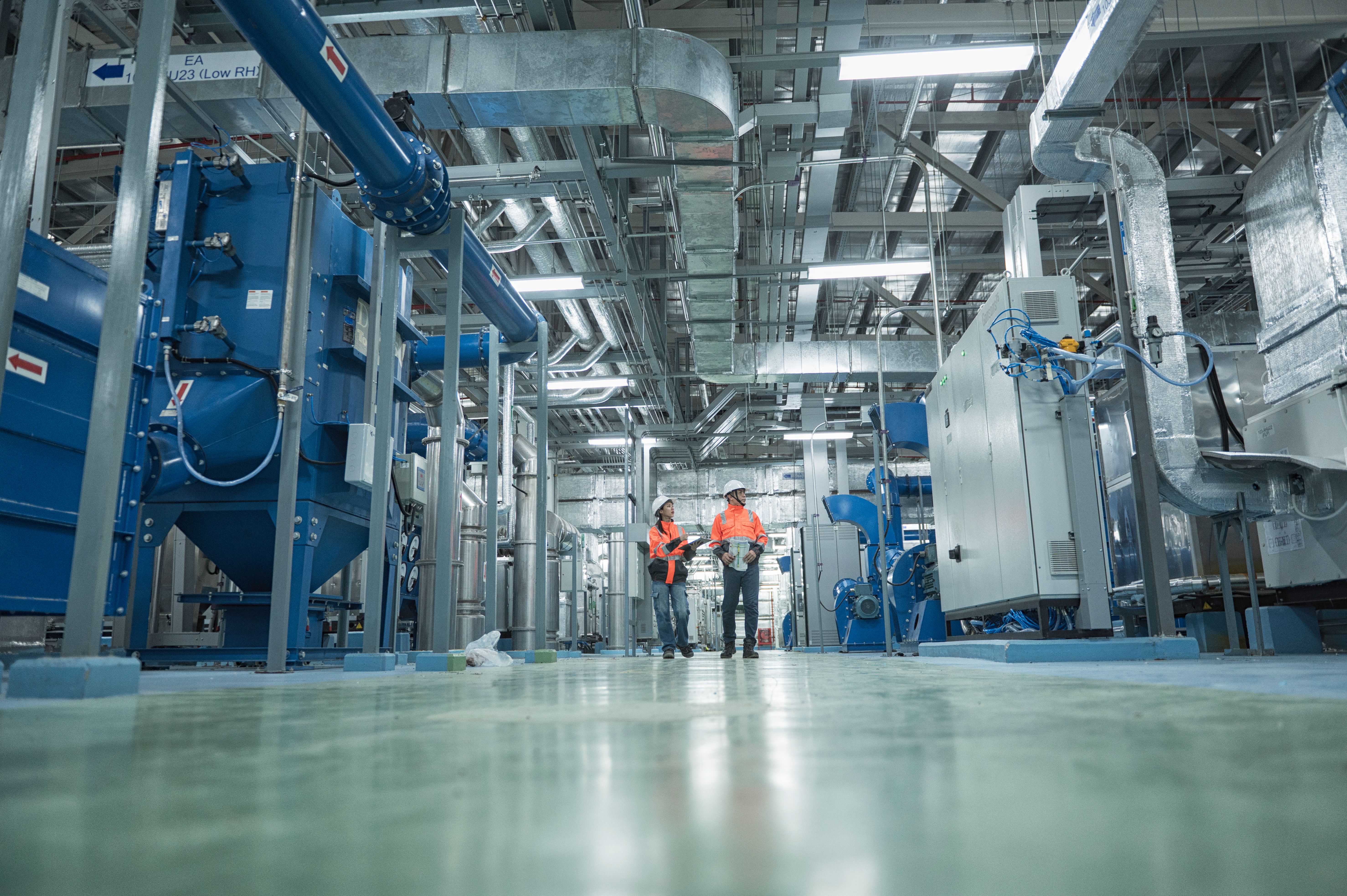
At its core, process control focuses on maintaining specific variables within a desired range. These variables could include temperature, pressure, flow rate, or chemical composition. The objective is to optimize production while minimizing waste and energy consumption. Controllers, sensors, and actuators work together to adjust process conditions automatically.
Types of Process Control Systems
There are several types of process control systems, each suited to different applications. The most common are:
- Open-loop control: A simple system where the control action is independent of the output.
- Closed-loop control: Also known as feedback control, it adjusts the process based on the output measurement.
- Feedforward control: Anticipates changes by adjusting inputs based on disturbances.
Implementing Advanced Techniques
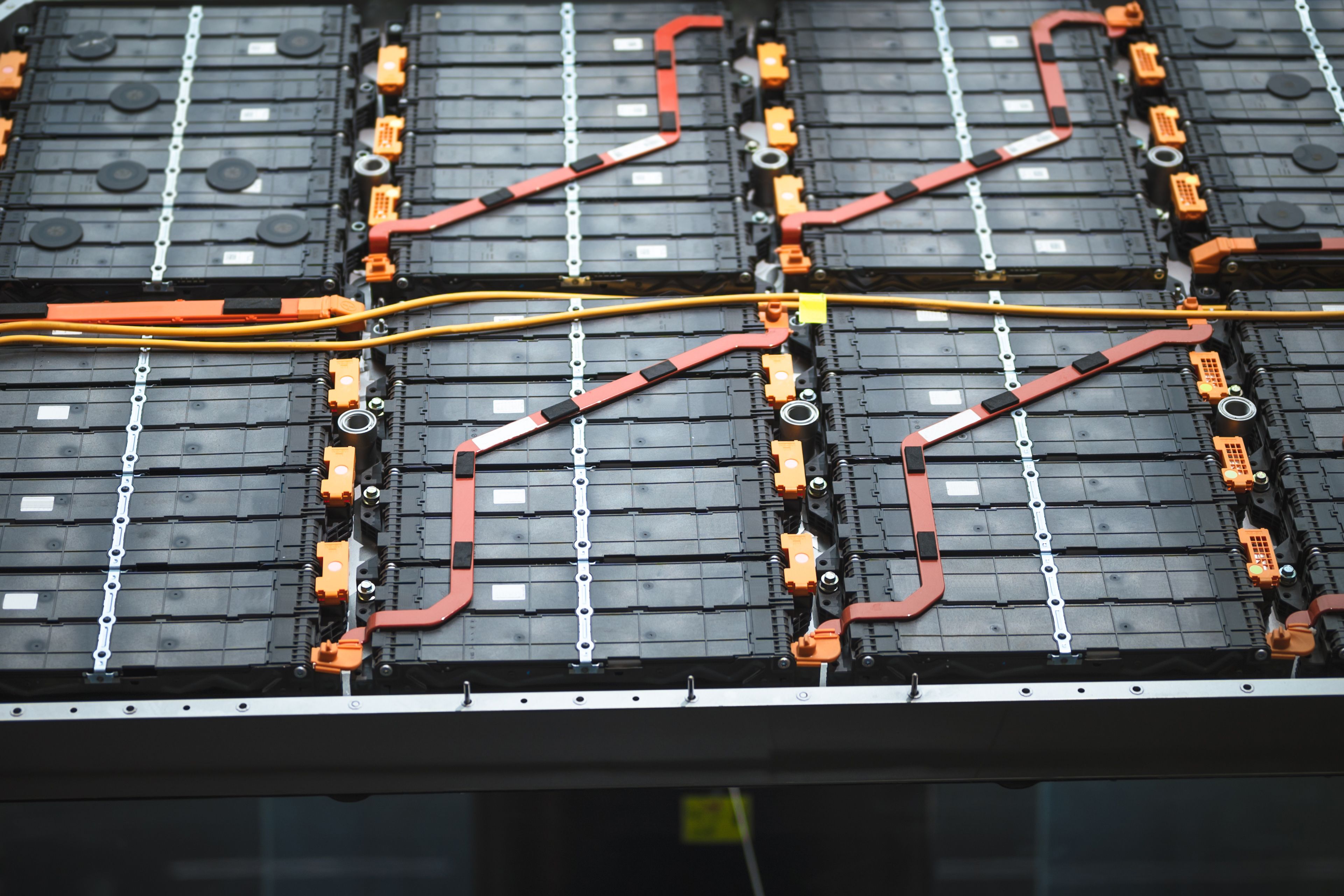
As technology evolves, advanced process control techniques are becoming standard. These include model predictive control, adaptive control, and multivariable control. Such techniques leverage complex algorithms and real-time data to enhance precision and efficiency.
The Role of Data in Process Control
Data plays a pivotal role in modern process control. Sensors and IoT devices collect vast amounts of data, providing insights into process performance and potential issues. Analyzing this data helps in predictive maintenance, reducing downtime and improving overall production quality.

Challenges and Solutions
While the benefits of industrial process control are clear, challenges remain. Integrating new technologies with existing systems can be complex and costly. Moreover, ensuring cybersecurity in connected systems is crucial. To overcome these challenges, companies should invest in robust cybersecurity measures and continuous employee training.
The Future of Process Control
The future of process control is promising, with advancements in artificial intelligence and machine learning paving the way for smarter, more autonomous systems. These technologies will enable predictive analytics and self-optimizing processes, further enhancing efficiency and reducing human intervention.

Conclusion
Mastering industrial process control is essential for businesses aiming to stay competitive in an increasingly automated world. By understanding the fundamentals, exploring advanced techniques, and addressing challenges, companies can optimize their operations and pave the way for a more efficient future.