Preparing for Seasonal Changes: Optimizing Industrial Processes


Understanding the Impact of Seasonal Changes on Industrial Processes
Seasonal changes can significantly affect industrial processes, influencing everything from production schedules to equipment efficiency. Preparing for these changes is crucial to maintaining optimal operations. Whether it's the increased demand during the holiday season or the slowdown in summer, understanding these impacts can help businesses adapt and thrive.
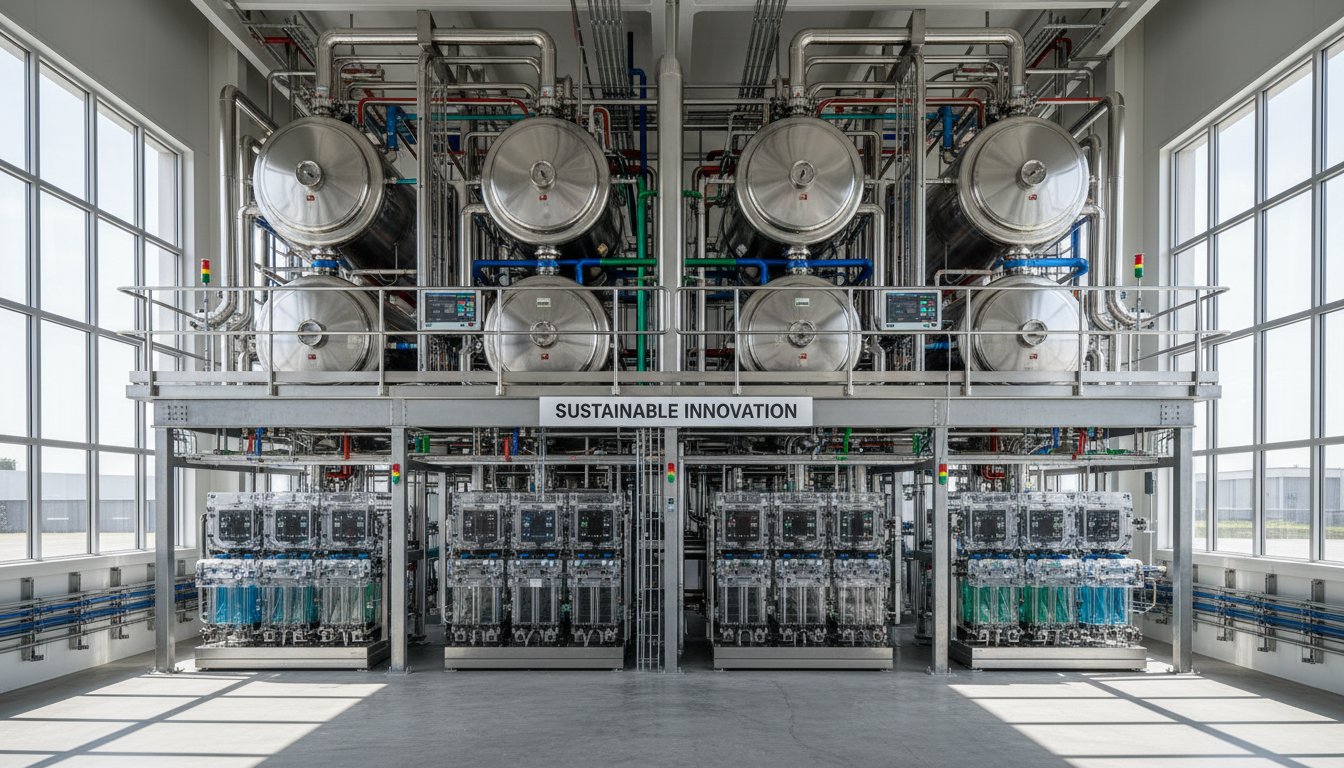
Industries must account for variables such as temperature fluctuations, humidity changes, and energy consumption patterns. These factors can have a direct effect on machinery performance and product quality. By anticipating these changes, companies can implement strategic adjustments to minimize disruptions.
Adjusting Production Schedules
One of the first steps in preparing for seasonal changes is adjusting production schedules. This involves analyzing historical data to predict demand and aligning production capacity accordingly. It may require ramping up production in anticipation of higher demand or scaling back during slower periods.
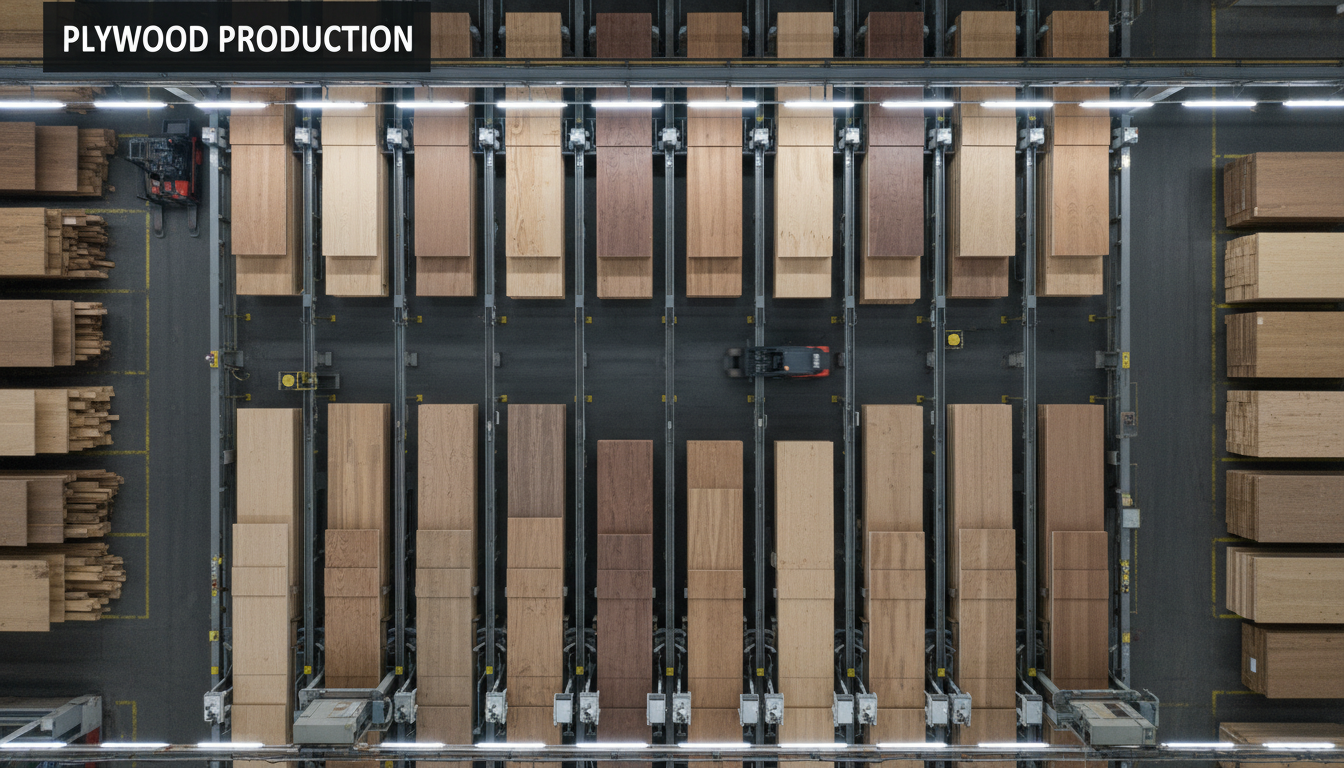
Implementing a flexible workforce strategy can also be beneficial. Hiring temporary staff or adjusting shift patterns ensures that labor resources are aligned with production needs. This adaptability can lead to more efficient operations and cost savings.
Leveraging Technology for Efficiency
Technology plays a pivotal role in optimizing industrial processes during seasonal transitions. Advanced software tools can provide real-time data analytics, helping businesses monitor and respond to changes swiftly. Automation can also enhance efficiency, reducing the reliance on manual processes that may be prone to errors.
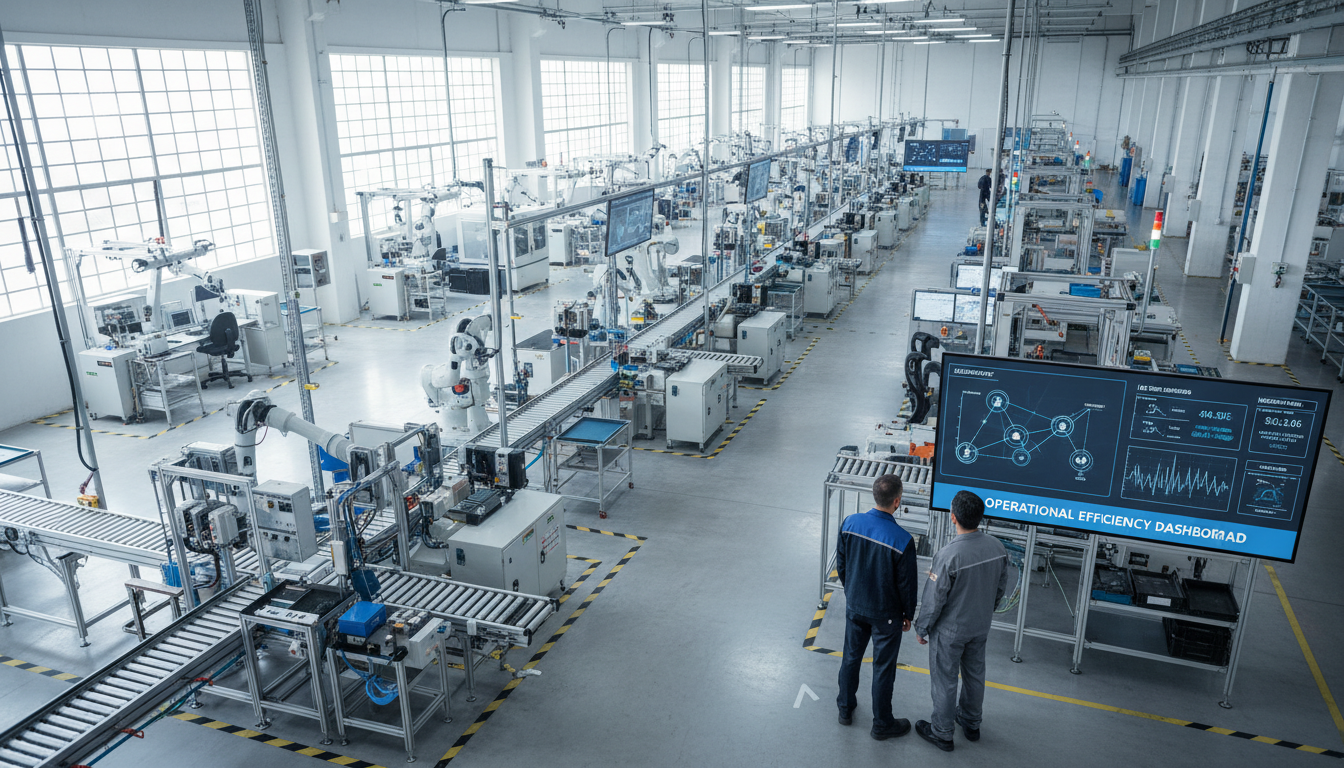
Furthermore, investing in energy-efficient technologies can help mitigate the impact of seasonal energy consumption spikes. This not only reduces costs but also supports sustainability goals.
Maintaining Equipment and Infrastructure
Regular maintenance of equipment is essential, especially when preparing for seasonal shifts. Scheduled inspections and timely repairs can prevent unexpected breakdowns, which are often costlier during peak production times. Ensuring that heating, ventilation, and air conditioning systems are functioning optimally can also improve working conditions and productivity.
Additionally, reviewing and upgrading infrastructure can enhance resilience against adverse weather conditions. This may involve reinforcing facilities or investing in weather-resistant materials to protect assets.
Enhancing Supply Chain Resilience
Supply chain disruptions can have a ripple effect on industrial processes. To mitigate this, businesses should diversify suppliers and establish robust contingency plans. Building strong relationships with suppliers ensures a reliable flow of materials and components, even during unpredictable seasonal changes.
Implementing inventory management systems can further enhance resilience. By maintaining optimal stock levels, businesses can avoid overstocking or shortages that could disrupt production.
- Analyze historical data to predict seasonal demand.
- Adjust production schedules and workforce strategies.
- Invest in technology and automation for efficiency.
- Prioritize regular equipment maintenance.
- Strengthen supply chain and inventory management.
By taking proactive steps to optimize industrial processes in response to seasonal changes, businesses can achieve greater efficiency, reduce costs, and maintain a competitive edge. Embracing these strategies not only prepares companies for the immediate challenges but also positions them for long-term success.