Preparing for Seasonal Demand: Optimizing Your Industrial Processes


Understanding Seasonal Demand
Seasonal demand fluctuations are a common challenge for many industries. Whether driven by holidays, weather changes, or market trends, these fluctuations require businesses to adapt quickly. Understanding when and why these changes occur is the first step in preparing your industrial processes to meet these demands efficiently.
Proper planning allows businesses to maintain productivity, meet customer expectations, and optimize resource usage. By analyzing historical data and market trends, companies can predict seasonal peaks and adjust their operations accordingly.

Streamlining Production Processes
Once you have a clear understanding of the demand cycles, it's crucial to streamline your production processes. This involves evaluating your current workflow, identifying bottlenecks, and finding ways to increase efficiency. Implementing lean manufacturing principles can help reduce waste and improve productivity.
Automation is another powerful tool. By automating repetitive tasks, you can free up valuable human resources for more complex activities. This not only increases efficiency but also reduces the risk of errors during peak periods.

Optimizing Supply Chain Management
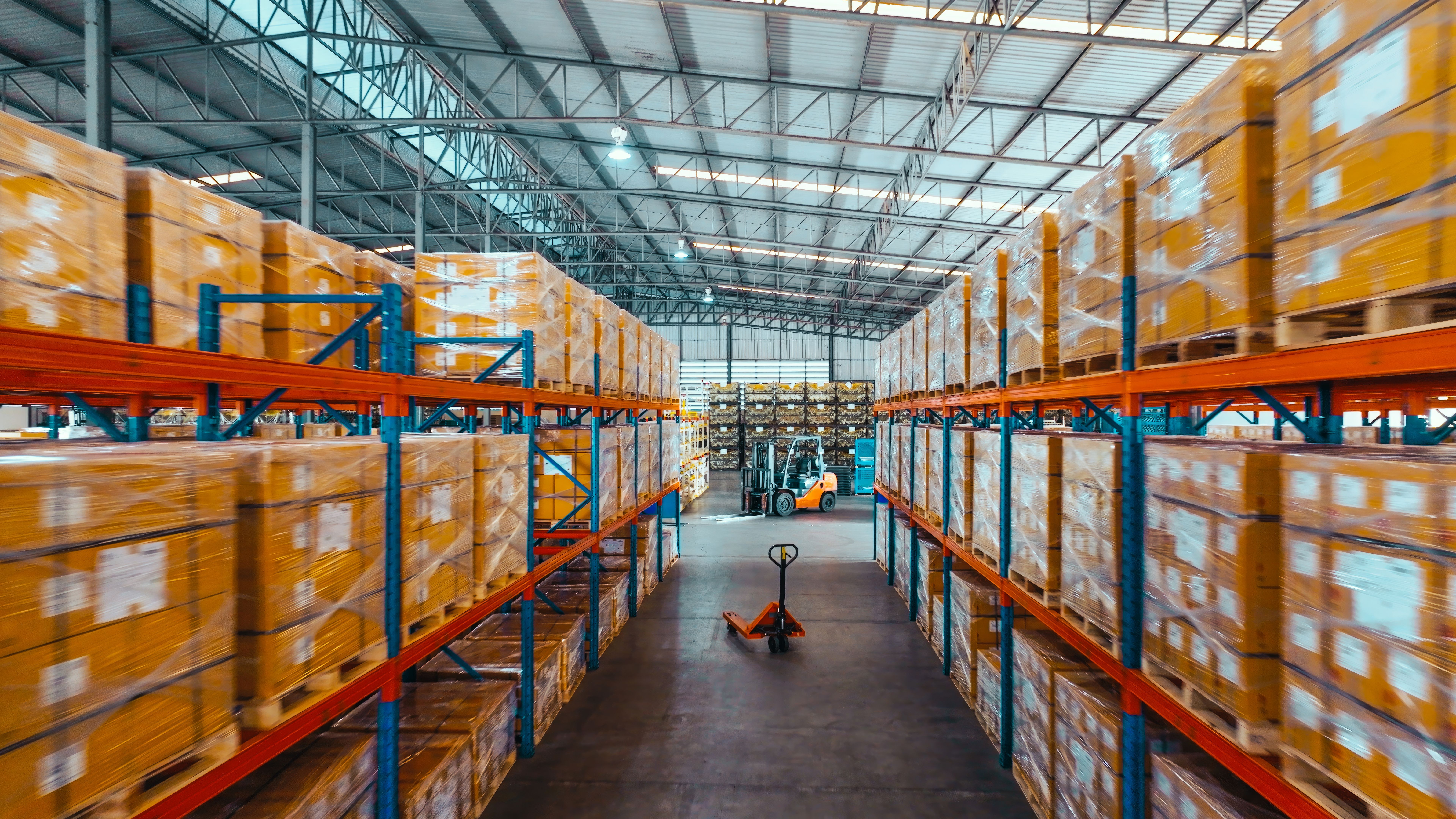
Your supply chain plays a pivotal role in responding to seasonal demand. In times of increased demand, having a flexible and resilient supply chain can make all the difference. Consider working with multiple suppliers to mitigate risks associated with potential shortages or delays.
Investing in supply chain management software can provide real-time insights into inventory levels and supply chain performance. This enables quicker decision-making and helps ensure that materials are available when needed.
Enhancing Workforce Management
Labor is a critical component of industrial processes, and managing your workforce effectively during peak seasons is essential. Consider hiring temporary staff or implementing flexible work schedules to accommodate increased demand. Providing additional training can also ensure that your workforce is ready to handle the pressure of peak periods.
Building a motivated and skilled team will not only help meet seasonal demands but also contribute to the long-term success of your business.
Investing in Technology
Investing in the right technology can significantly enhance your ability to handle seasonal demand. From advanced analytics tools to predictive maintenance technologies, these investments can provide a competitive edge. By adopting IoT and AI technologies, you can gain deeper insights into your operations and make data-driven decisions.
These technologies can also help you anticipate potential disruptions, allowing for proactive problem-solving.

Continuous Improvement and Feedback
Finally, fostering a culture of continuous improvement is vital. Encourage feedback from employees and customers to identify areas for enhancement. Regularly reviewing your processes and making iterative improvements will keep your business adaptable and prepared for any seasonal changes.
By focusing on these strategies, businesses can optimize their industrial processes to efficiently manage seasonal demand, ensuring continued growth and success.