Preparing Your Facility for Seasonal Changes: Process Control Insights


Understanding the Impact of Seasonal Changes
As the seasons change, facilities face unique challenges that can impact operations. From temperature fluctuations to increased humidity, these changes can affect everything from equipment efficiency to worker safety. Preparing your facility for these transitions is crucial to maintaining optimal performance and minimizing disruptions.

Assessing Your Current Process Controls
The first step in preparing for seasonal changes is to assess your current process controls. Evaluate how your systems perform under different environmental conditions. Are there specific times of the year when performance dips? Identifying these patterns can help you develop a proactive strategy.
Consider performing a comprehensive audit of your existing controls. This will highlight any vulnerabilities and provide a clear picture of areas needing improvement. Engaging with process control experts can also offer valuable insights.
Implementing Preventative Maintenance
Preventative maintenance is essential in preparing for seasonal changes. Regular maintenance checks can help identify potential issues before they escalate into costly problems. This includes inspecting HVAC systems, calibrating sensors, and ensuring all equipment is functioning optimally.
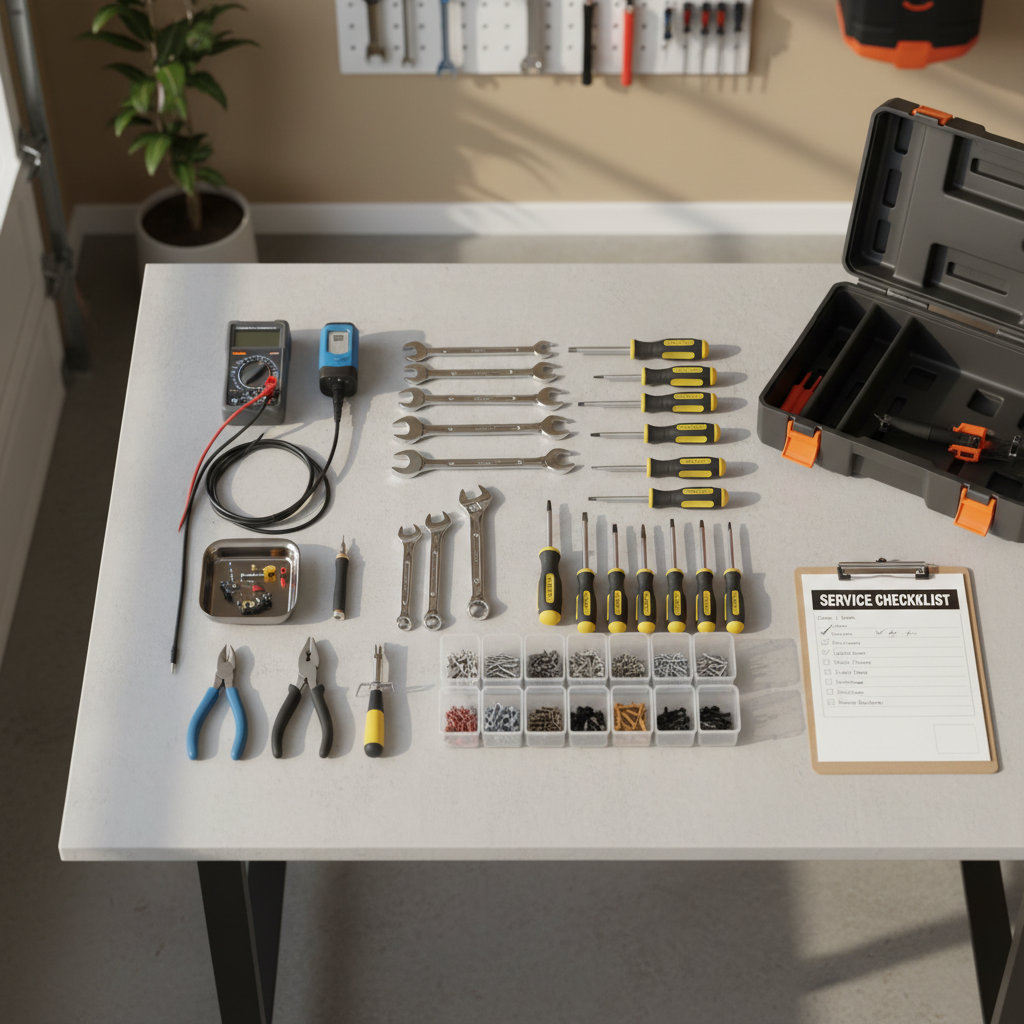
Creating a detailed maintenance schedule tailored to seasonal needs ensures that your facility remains in peak condition. It’s also beneficial to train staff on recognizing early signs of equipment stress due to environmental factors.
Optimizing Temperature and Humidity Controls
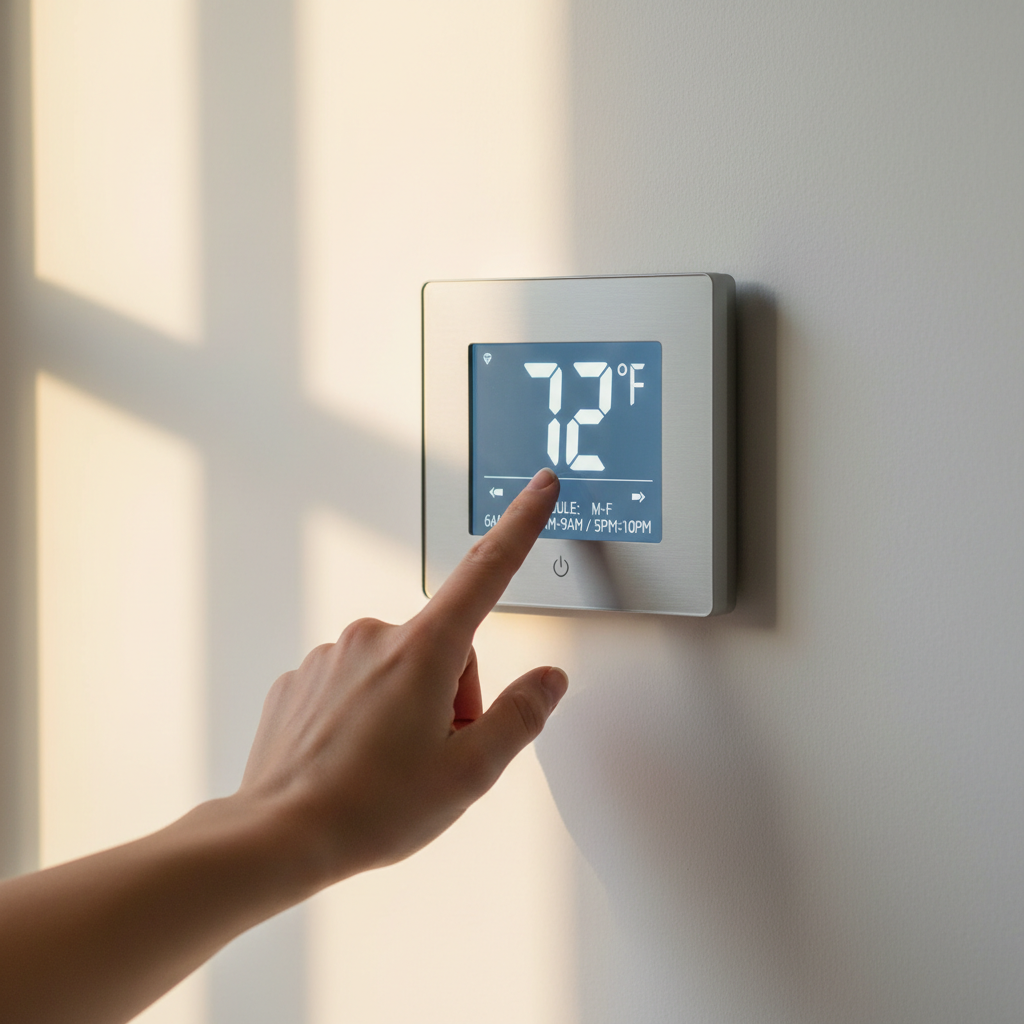
Temperature and humidity play a significant role in process control. Seasonal shifts can lead to drastic changes in these parameters, affecting both equipment and product quality. Implementing advanced temperature and humidity controls can mitigate these effects.
Consider investing in smart control systems that automatically adjust settings based on real-time environmental data. This not only enhances efficiency but also reduces energy consumption, leading to cost savings.
Ensuring Workforce Preparedness
Your workforce is a crucial component in managing seasonal changes. Ensuring they are prepared and informed about potential challenges can significantly improve response times and effectiveness. Conduct regular training sessions focusing on safety protocols and emergency procedures specific to seasonal risks.
Encouraging open communication allows staff to voice concerns and suggest improvements, fostering a collaborative environment that prioritizes safety and efficiency.
Reviewing and Updating Safety Protocols
Safety protocols should be reviewed and updated regularly to reflect seasonal hazards. This includes adjusting guidelines for extreme weather conditions, such as heavy rain or snow, which can impact facility access and operations.

Implementing seasonal drills can also help staff practice responses to potential emergencies, ensuring that everyone knows their roles and responsibilities.
Leveraging Technology for Monitoring and Adaptation
Technology plays a pivotal role in adapting to seasonal changes. Utilizing IoT devices and advanced analytics can provide real-time data, allowing for quick adjustments to process controls as conditions change. This proactive approach minimizes downtime and enhances overall productivity.
Investing in technology not only prepares your facility for seasonal transitions but also drives long-term operational improvements.