The Future of Process Control: Emerging Trends and Technologies


Introduction to Process Control
The field of process control is undergoing a transformation, driven by rapid technological advancements and the increasing demand for efficiency and accuracy. As industries strive to optimize operations, emerging trends and technologies in process control are paving the way for a more streamlined future.
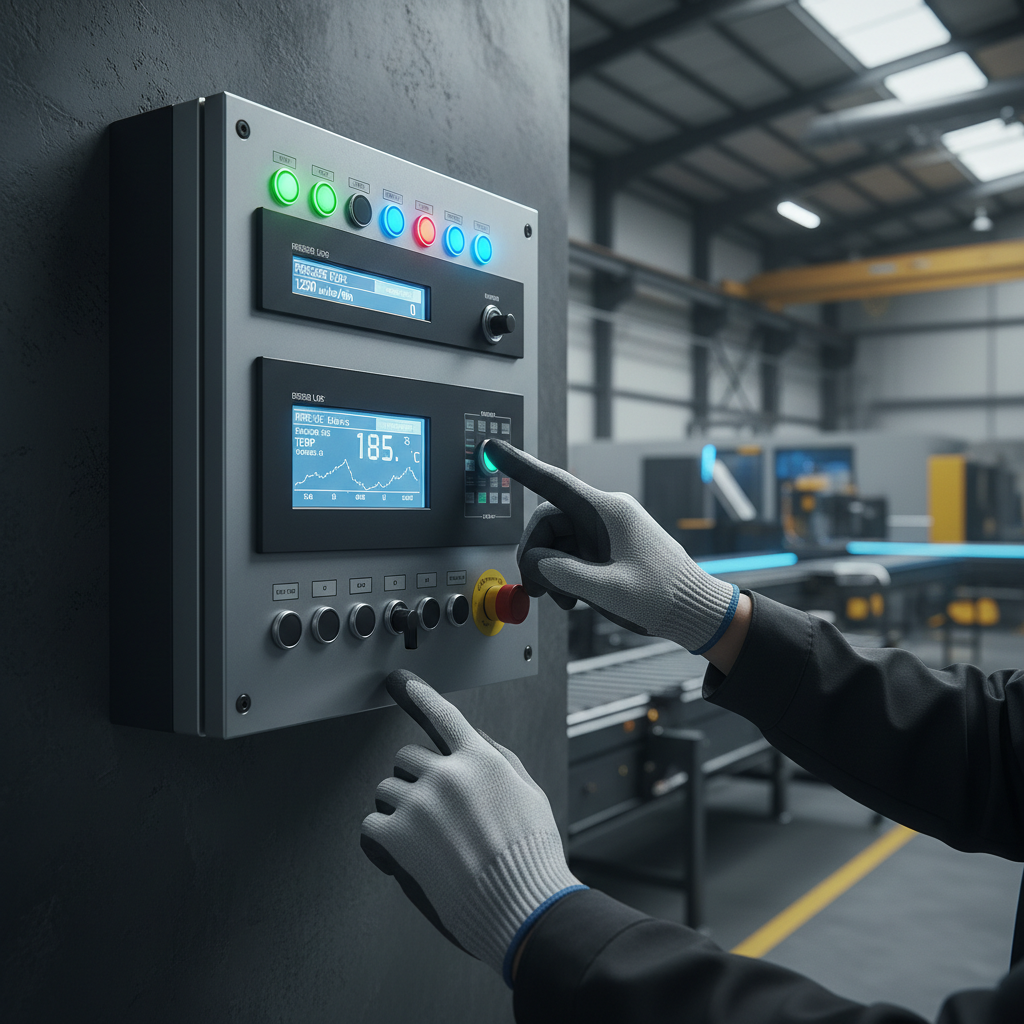
Role of Artificial Intelligence
Artificial Intelligence (AI) is at the forefront of revolutionizing process control. By leveraging machine learning algorithms, AI can analyze vast amounts of data in real-time, identifying patterns and making decisions that enhance operational efficiency. This capability allows for predictive maintenance, reducing downtime and increasing productivity.
Furthermore, AI-driven process control systems can adapt to changing conditions, ensuring optimal performance even in dynamic environments. This adaptability is crucial for industries dealing with complex processes and variable inputs.
The Rise of IoT in Process Control
The Internet of Things (IoT) is another game-changer in the realm of process control. IoT-enabled devices collect and transmit data from various points in a system, providing a comprehensive overview of operations. This connectivity supports real-time monitoring and control, leading to more informed decision-making.
In addition, IoT facilitates seamless communication between different systems, enabling a more integrated approach to process management. This integration is essential for optimizing resource use and improving overall efficiency.
Advancements in Sensor Technology
Sensor technology plays a pivotal role in process control, providing critical data that drives decision-making. Recent advancements have led to the development of more accurate and reliable sensors, capable of operating in harsh environments and delivering precise measurements.
These improvements in sensor technology contribute to better process monitoring and control, ensuring that operations remain within desired parameters. As a result, industries can maintain high-quality standards and minimize waste.

Cloud Computing and Process Control
Cloud computing offers a scalable and flexible platform for process control, allowing industries to store and analyze vast amounts of data without the need for extensive on-site infrastructure. This capability supports real-time data processing and facilitates advanced analytics.
Moreover, cloud-based solutions enable remote monitoring and control, providing access to process data from anywhere in the world. This accessibility is particularly beneficial for industries with geographically dispersed operations.
The Future Outlook
As these technologies continue to evolve, the future of process control looks promising. Industries can expect increased automation, greater efficiency, and enhanced decision-making capabilities. By embracing these emerging trends, businesses can position themselves at the forefront of innovation, driving growth and success.
Ultimately, the integration of AI, IoT, advanced sensors, and cloud computing will redefine process control, offering a pathway to a more efficient and sustainable future.