The Latest Trends in Industrial Process Control Technology


Introduction to Industrial Process Control
In recent years, industrial process control technology has experienced remarkable advancements, driving efficiency and innovation across various sectors. As industries evolve, staying abreast of the latest trends is crucial for companies aiming to maintain a competitive edge. This blog post explores the most significant developments shaping the future of industrial process control.
Integration of Artificial Intelligence
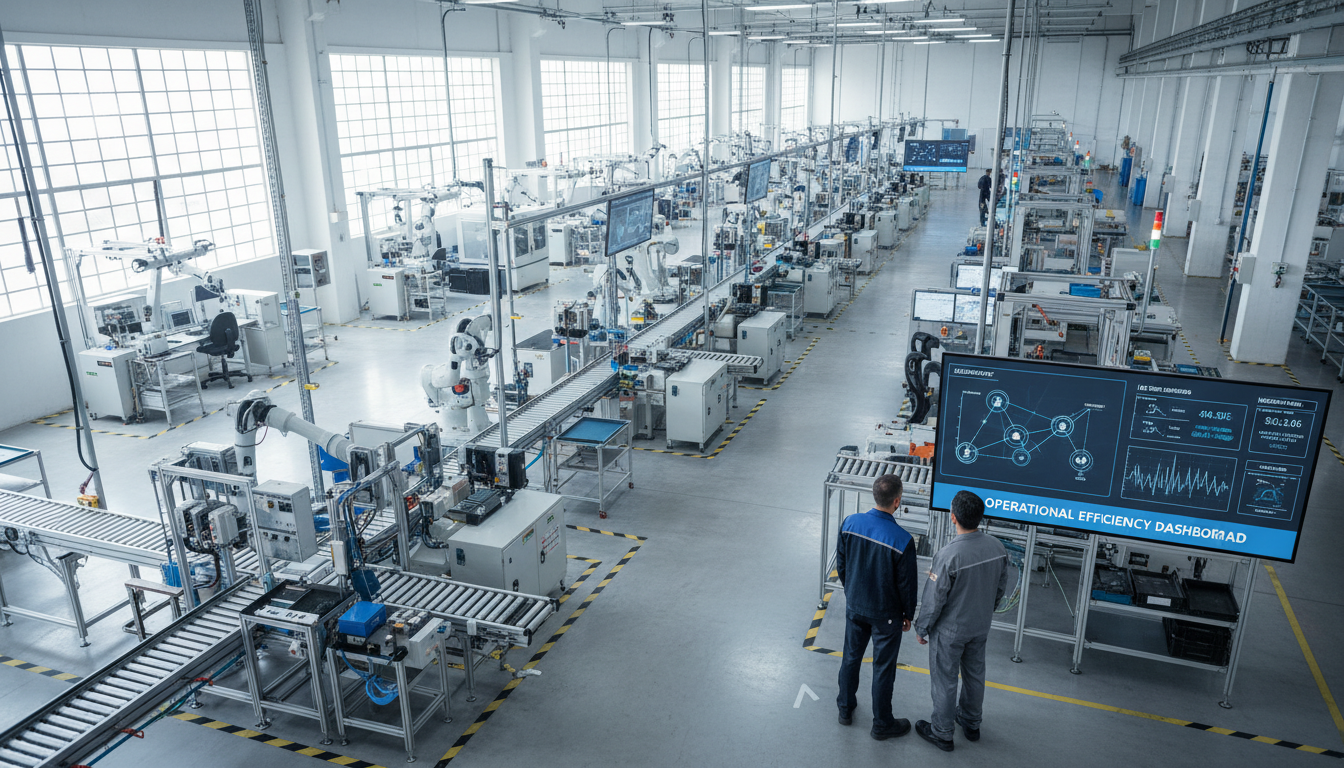
The integration of Artificial Intelligence (AI) into industrial process control systems is transforming how companies operate. AI algorithms can analyze vast amounts of data in real time, allowing for predictive maintenance and reducing downtime. This proactive approach not only enhances productivity but also minimizes costs associated with unexpected equipment failures.
Moreover, AI-driven systems can adapt to changing conditions, optimizing processes dynamically. This adaptability ensures that operations remain efficient even in fluctuating environments. As a result, companies can achieve greater output with less input, contributing to sustainable industrial practices.

Advancements in IoT Connectivity
The Internet of Things (IoT) has been a game-changer in the industrial sector, and its role continues to expand. Enhanced IoT connectivity allows devices and machinery to communicate seamlessly, resulting in more cohesive and coordinated operations. This interconnectedness facilitates real-time monitoring and control, enabling swift responses to any anomalies.
Through IoT, industries can implement smart sensors that provide continuous data streams. These sensors help in tracking performance metrics, environmental conditions, and potential issues. Consequently, companies can make informed decisions swiftly, ensuring optimal process efficiency.
Cloud-Based Process Control Solutions
Cloud computing has revolutionized data storage and accessibility, and the industrial sector is no exception. Cloud-based process control solutions offer unparalleled scalability and flexibility, allowing companies to manage operations across multiple locations effortlessly. This centralized approach simplifies data management and enhances collaboration among teams.
Furthermore, cloud solutions enable remote monitoring and control, providing convenience and efficiency. With secure access to critical data from anywhere, decision-makers can swiftly implement changes, ensuring consistent and reliable operations.
Emphasis on Cybersecurity
As process control systems become more interconnected, the importance of cybersecurity has intensified. Protecting sensitive data and ensuring the integrity of control systems is paramount. Modern industrial technology incorporates robust cybersecurity measures to safeguard against potential threats.
Companies are investing in advanced security protocols, including encryption and multi-factor authentication, to protect their assets. By prioritizing cybersecurity, industries can prevent disruptions and maintain trust with stakeholders.

Conclusion: The Future of Industrial Process Control
The latest trends in industrial process control technology reflect a shift towards more intelligent, connected, and secure systems. By embracing these innovations, companies can enhance efficiency, reduce costs, and achieve sustainable growth. Staying informed about these developments is essential for businesses aiming to thrive in an ever-evolving industrial landscape.