Top FAQs About Industrial Process Control: Answered


Understanding Industrial Process Control
Industrial process control is a crucial component in the manufacturing and production sectors. It involves the use of technology and systems to manage, command, direct, or regulate the behavior of other devices or systems. This ensures that production processes operate efficiently, safely, and within the desired specifications. By implementing effective process control, industries can improve their output quality, reduce waste, and enhance overall productivity.

What Are the Key Components of Process Control Systems?
Process control systems are composed of several key components that work together to maintain optimal operation. These include controllers, sensors, actuators, and feedback loops. Controllers are the brains of the system, processing data and making decisions. Sensors gather real-time data from the process, while actuators make the necessary adjustments. Feedback loops provide the system with information about the current state of the process, allowing for continuous monitoring and adjustments.
In addition to these components, software plays a significant role in process control. Modern systems often use sophisticated algorithms and machine learning to enhance performance and decision-making capabilities.
Why Is Process Control Important in Manufacturing?
Process control is vital in manufacturing because it ensures consistency and quality in production. By maintaining precise control over variables such as temperature, pressure, and flow rate, manufacturers can produce goods that meet strict quality standards. This not only reduces the risk of defects but also improves customer satisfaction and brand reputation.
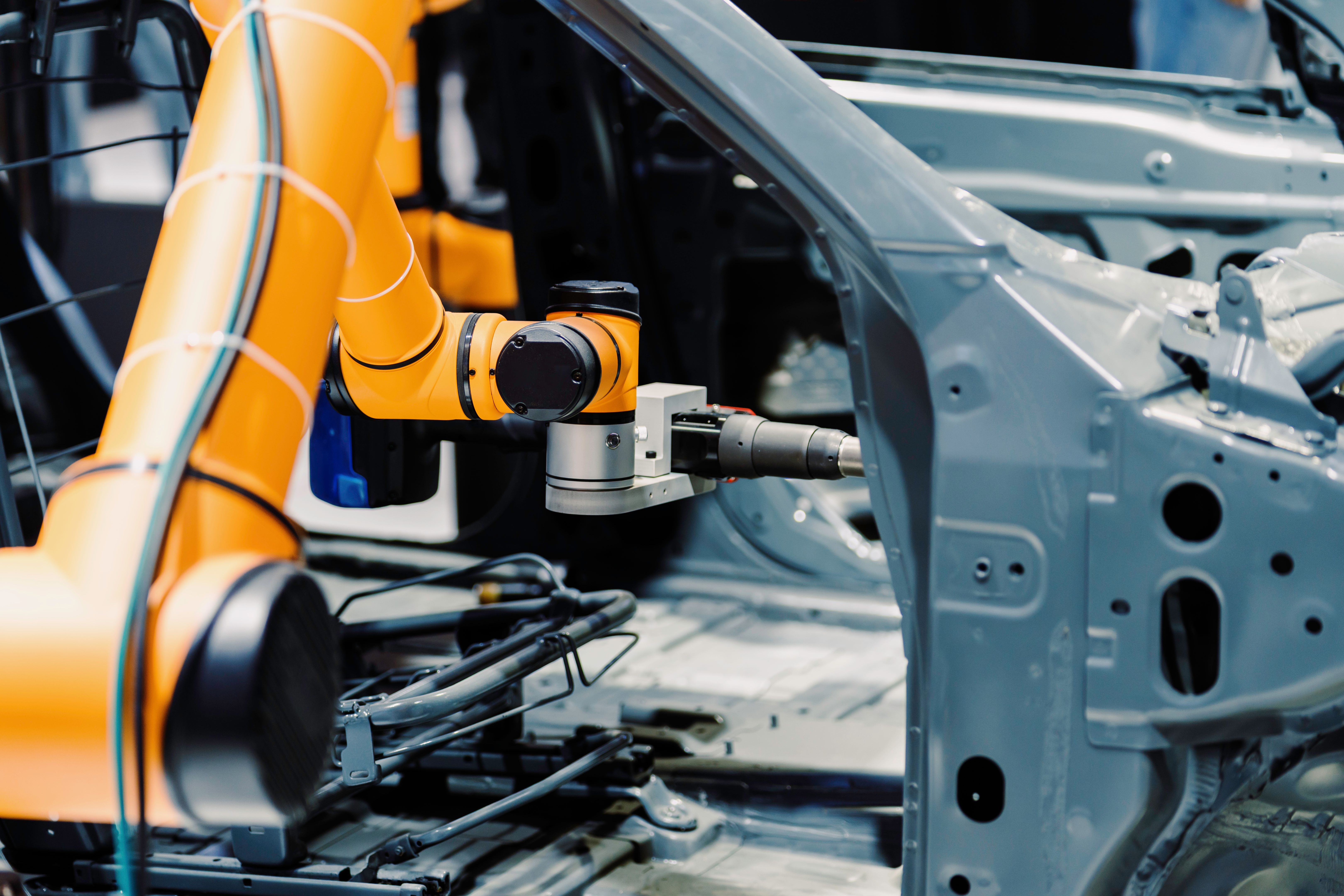
Furthermore, process control helps in optimizing resource usage, reducing energy consumption, and minimizing environmental impact. This is particularly important in industries that are under increasing pressure to adopt sustainable practices.
How Does Automation Fit Into Process Control?
Automation is a key element of modern process control systems. By automating repetitive tasks and complex operations, industries can achieve higher efficiency and reliability. Automation tools such as programmable logic controllers (PLCs) and distributed control systems (DCS) are commonly used to implement advanced control strategies.
These systems can handle large volumes of data and perform real-time analysis, enabling industries to respond quickly to changes and maintain optimal performance levels.

What Are the Challenges in Implementing Process Control?
Implementing process control systems can be challenging due to several factors. One major challenge is the integration of new technologies with existing systems. Legacy equipment may not be compatible with modern control systems, requiring significant investment in upgrades or replacements.
Additionally, the complexity of designing and maintaining these systems requires specialized knowledge and skills. Training staff to effectively operate and troubleshoot control systems is essential for successful implementation.
What Future Trends Are Emerging in Process Control?
The future of process control is being shaped by advancements in digital technology. The integration of the Internet of Things (IoT) and artificial intelligence (AI) is leading to more intelligent and autonomous control systems. These technologies enable predictive maintenance, real-time monitoring, and adaptive control strategies that can further enhance efficiency and productivity.
As industries continue to evolve, the demand for more flexible, scalable, and sustainable process control solutions will grow. Staying ahead of these trends will be crucial for businesses looking to maintain a competitive edge in the market.