Top Innovations in Industrial Process Control: Trends to Watch


Emerging Technologies in Industrial Process Control
The landscape of industrial process control is undergoing a significant transformation, driven by rapid technological advancements. These innovations are enhancing efficiency, safety, and sustainability across various industries. Companies are increasingly adopting these technologies to stay competitive and meet regulatory demands.
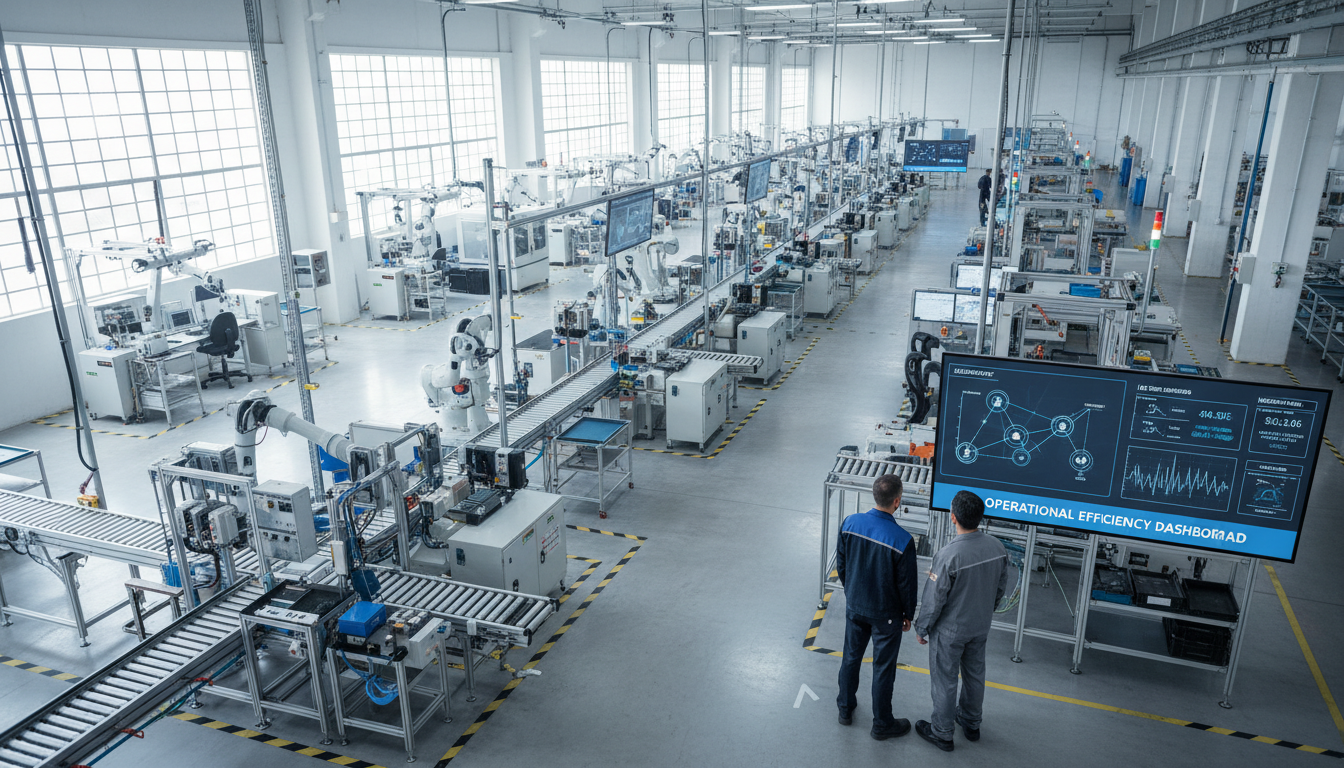
One of the most notable trends is the integration of the Internet of Things (IoT) in process control systems. IoT-enabled sensors and devices allow for real-time data monitoring and analysis, leading to improved decision-making and reduced downtime. This connectivity also facilitates predictive maintenance, minimizing unexpected equipment failures.
Artificial Intelligence and Machine Learning
Artificial Intelligence (AI) and Machine Learning (ML) are revolutionizing industrial process control. These technologies enable systems to learn from data patterns and improve operations autonomously. AI-driven analytics can optimize production processes, enhance quality control, and reduce energy consumption.
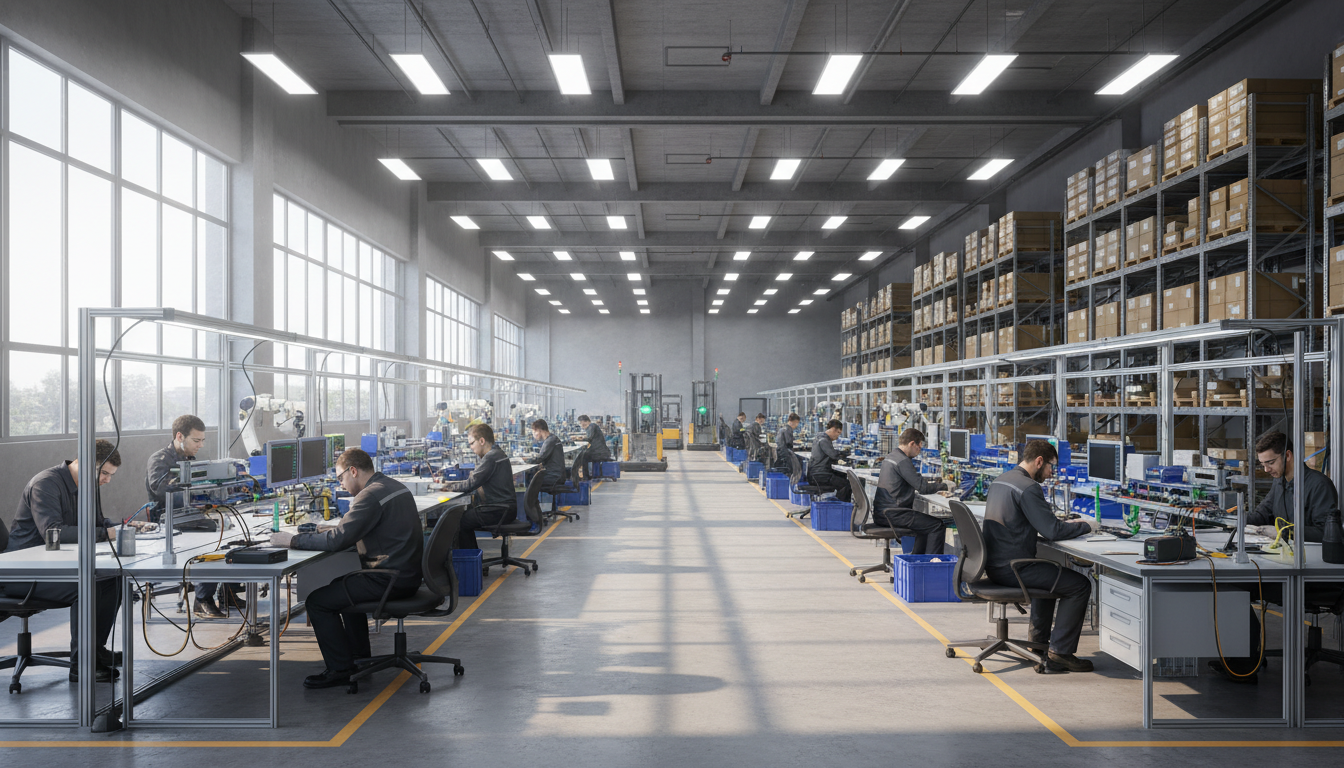
Machine learning algorithms are being used to predict equipment failures and maintenance needs. By analyzing historical data, these algorithms can identify anomalies and suggest corrective actions, ensuring uninterrupted operations and extending equipment life.
Advanced Process Automation
Process automation has reached new heights with the advent of advanced robotics and control systems. Automated systems can now handle complex tasks with precision and accuracy, reducing human error and increasing productivity. Robotics are particularly beneficial in hazardous environments, where they can perform tasks that would be unsafe for human workers.
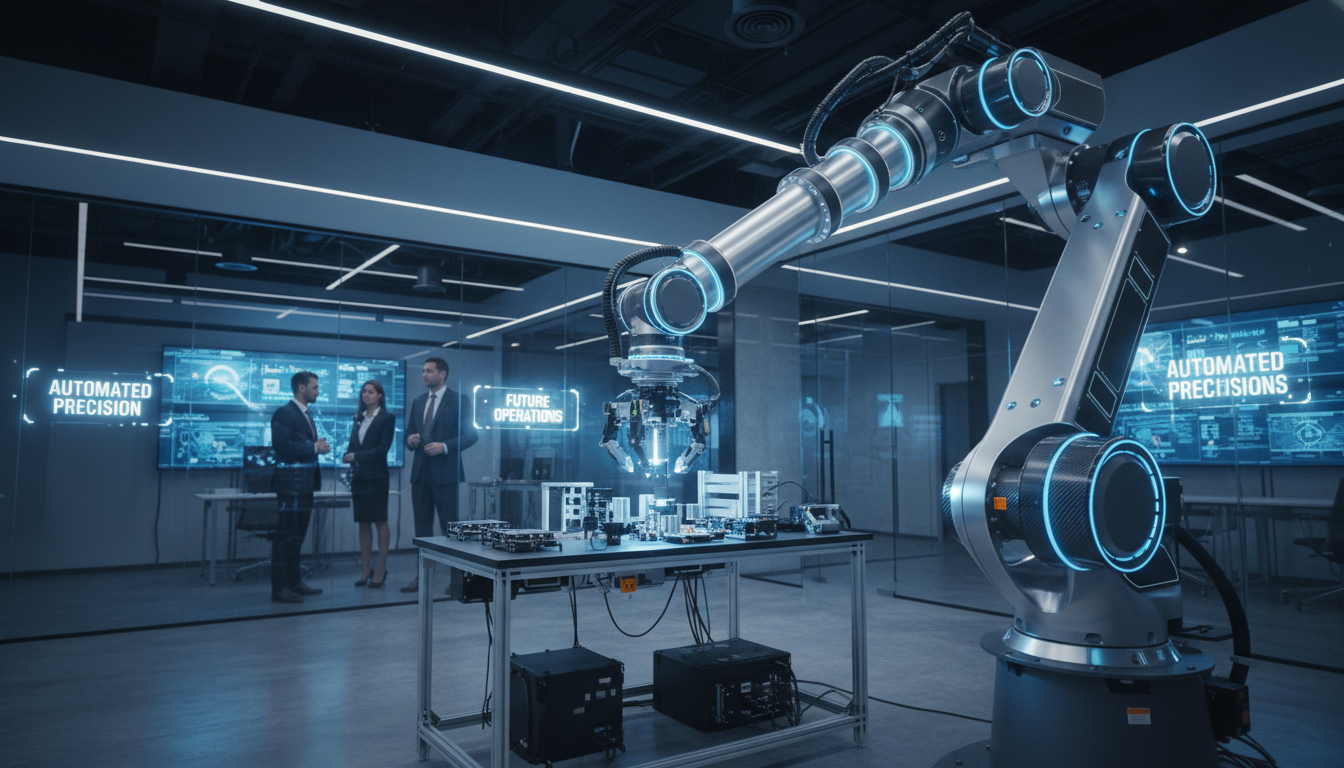
Furthermore, the use of automation software allows for seamless integration of various processes, facilitating a more cohesive and efficient operation. This trend is especially prominent in industries such as chemical manufacturing and oil and gas.
Cloud Computing and Edge Computing
Cloud computing is providing industries with scalable and flexible solutions for data storage and processing. It enables companies to access and analyze vast amounts of data without the need for significant on-premise infrastructure investments. This shift is driving cost savings and operational efficiency.
Edge computing complements cloud computing by processing data closer to the source. This reduces latency and enhances real-time decision-making capabilities, which is crucial for time-sensitive industrial processes.
Blockchain for Enhanced Security
As industrial systems become more interconnected, cybersecurity becomes a critical concern. Blockchain technology is emerging as a solution to enhance data security and integrity in process control systems. Its decentralized nature makes it difficult for cyber attackers to compromise data.
Blockchain can also facilitate transparent and secure transactions between different systems and stakeholders, fostering trust and collaboration.
- Real-time monitoring with IoT
- Predictive maintenance with AI
- Enhanced security with Blockchain
Conclusion
The innovations in industrial process control are paving the way for more efficient, reliable, and sustainable operations. By embracing these technologies, industries can not only enhance their competitiveness but also contribute to a safer and more sustainable future. Staying abreast of these trends is crucial for any organization looking to thrive in the modern industrial landscape.