Top Trends in Industrial Software: What to Expect Next


Introduction to Industrial Software Trends
Industrial software is evolving rapidly, driven by technological advances and the ever-increasing demand for efficiency and innovation. As we look ahead, several key trends are shaping the future of industrial software, promising to transform how industries operate.
From AI-enhanced analytics to the integration of the Internet of Things (IoT), these trends are set to redefine the industrial landscape. Understanding these emerging trends is crucial for businesses aiming to stay competitive.
AI and Machine Learning
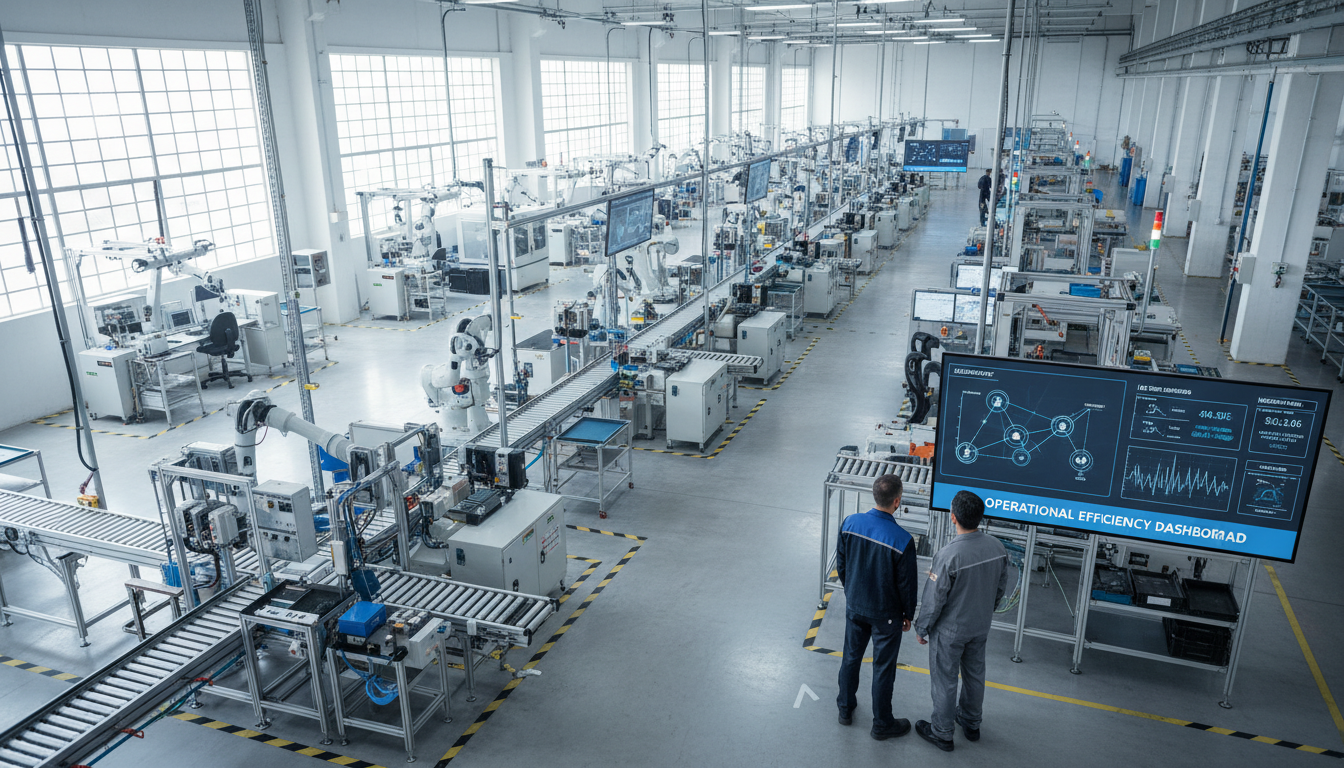
Artificial Intelligence (AI) and Machine Learning (ML) are becoming integral components of industrial software. These technologies enable predictive maintenance, optimize operations, and improve decision-making processes. As industrial AI continues to mature, we can expect more sophisticated applications that enhance productivity and reduce downtime.
Companies are increasingly investing in AI-driven analytics to gain insights from vast amounts of data. This shift allows for more accurate forecasting and strategic planning, ultimately leading to more efficient operations.
The Rise of the Internet of Things (IoT)
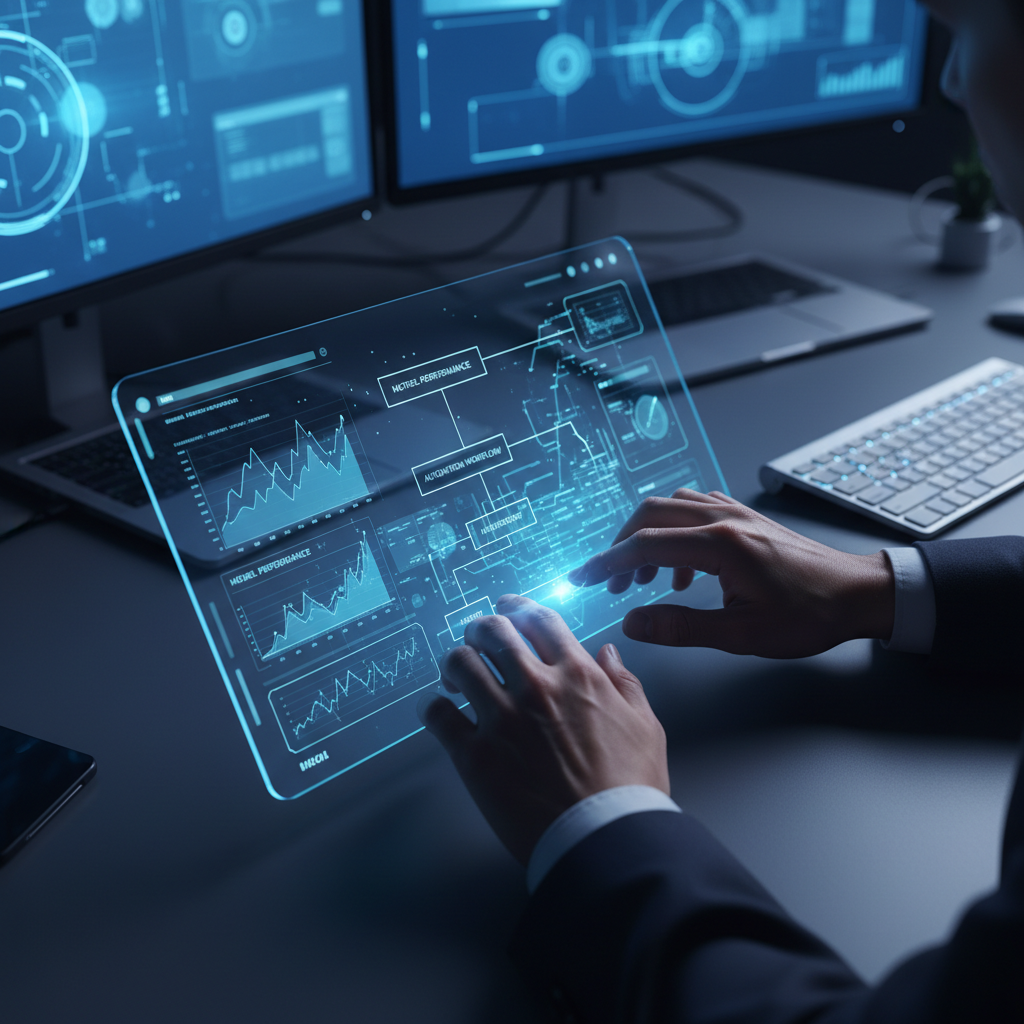
The IoT revolution is well underway, and its integration with industrial software is a trend that shows no signs of slowing down. IoT devices provide real-time data collection, enabling businesses to monitor and control industrial processes with unprecedented precision.
This connectivity facilitates smarter manufacturing, where machines communicate seamlessly, reducing waste and improving efficiency. As the number of connected devices grows, industries will continue to harness the power of IoT to streamline operations.
Cybersecurity in the Industrial Sector
With the increasing reliance on digital solutions, cybersecurity has become a critical concern for industrial software. Protecting sensitive data and ensuring the integrity of industrial systems is paramount. As cyber threats evolve, so too must the strategies to combat them.
Industries are investing in robust cybersecurity measures, including advanced encryption, multi-factor authentication, and regular security audits to safeguard their operations.

Cloud Computing and Industrial Software
Cloud computing continues to revolutionize industrial software by offering scalable resources and flexibility. This trend allows companies to access powerful software solutions without the need for extensive on-premises infrastructure.
The cloud facilitates collaboration and data sharing across global teams, improving efficiency and innovation. As more industries adopt cloud-based solutions, we can expect further enhancements in software capabilities and accessibility.
Augmented Reality (AR) in Industry
Augmented Reality is gaining traction in industrial settings, offering new ways to visualize and interact with complex data. AR applications assist in training, maintenance, and troubleshooting, providing a virtual overlay of information that can be accessed in real-time.
This technology enhances operational efficiency and safety, offering a hands-on approach to problem-solving and learning.

Conclusion
The future of industrial software is exciting and full of potential. By embracing these emerging trends, businesses can enhance their operations, reduce costs, and drive innovation. Staying informed about these trends is essential for companies aiming to lead in the industrial sector.
As technology continues to advance, the possibilities for industrial software are virtually limitless, promising a future of smarter, more efficient industries.