Understanding Industrial Process Control: A Comprehensive Guide


What is Industrial Process Control?
Industrial process control involves the use of various control systems and instruments to manage and regulate processes within an industrial setting. These processes can range from manufacturing and production to chemical processing and energy management. The primary goal is to ensure that these processes operate efficiently, safely, and consistently to produce the desired output.
In essence, process control systems help maintain the quality, efficiency, and safety of industrial operations. They achieve this by monitoring variables such as temperature, pressure, flow, and level, adjusting them as needed based on pre-set parameters.
Key Components of Process Control Systems
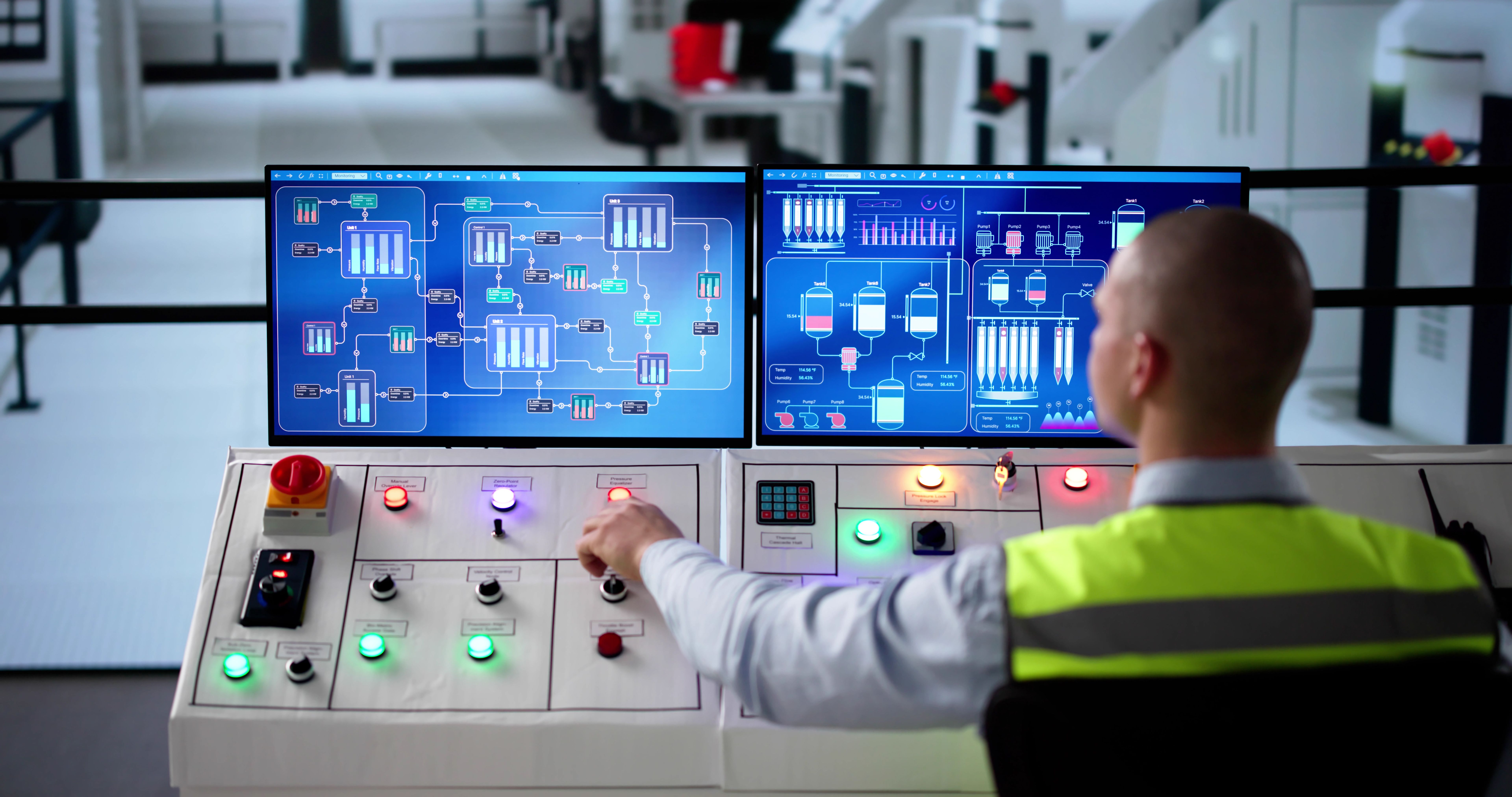
Process control systems are typically composed of several key components. These include sensors, controllers, actuators, and communication networks. Each component plays a crucial role in ensuring the effective functioning of the control system.
Sensors are used to measure process variables such as temperature, pressure, and flow rates. They provide the data needed for the system to make informed decisions. Controllers, on the other hand, process the data from sensors and decide on the necessary actions to maintain desired levels.
Actuators are devices that execute the control actions determined by the controllers. They can adjust valves, start motors, or change other parameters. Communication networks ensure seamless data exchange between these components, facilitating real-time process management.
Types of Process Control Strategies
There are several strategies used in industrial process control, each tailored to specific applications and requirements. Feedback control is one of the most common strategies, where the system adjusts its operations based on the difference between the desired and actual outputs.
Feedforward control anticipates changes by adjusting control actions based on external disturbances before they affect the process. This proactive approach helps in mitigating potential issues before they arise.
- PID Control: Combines proportional, integral, and derivative actions to maintain control over a process.
- Advanced Control Techniques: Utilize algorithms and models to optimize process performance.

Benefits of Effective Process Control
Implementing robust process control systems offers numerous benefits for industrial operations. It enhances efficiency by optimizing the use of resources and minimizing waste. Additionally, it improves product quality by maintaining consistent production conditions and reducing variability.
Process control also plays a critical role in ensuring safety by preventing conditions that could lead to accidents or equipment damage. By maintaining processes within safe operating limits, potential risks are significantly reduced.
Challenges in Process Control
Despite its benefits, industrial process control presents several challenges. These include dealing with complex processes, managing large volumes of data, and integrating new technologies with existing systems. Additionally, there is a need for skilled personnel to design, implement, and maintain these systems effectively.
Addressing these challenges requires ongoing investment in technology and training, ensuring that systems remain up-to-date and personnel are equipped with the necessary skills.

The Future of Industrial Process Control
As industries continue to evolve, so too does the landscape of process control. Emerging technologies such as Artificial Intelligence (AI) and the Internet of Things (IoT) are set to revolutionize how industrial processes are managed. These technologies enable more autonomous and intelligent control systems that can adapt to changing conditions in real-time.
The integration of AI and IoT facilitates predictive maintenance, energy efficiency, and enhanced decision-making capabilities, paving the way for more agile and responsive industrial operations.