Understanding the Latest Trends in Industrial Automation


Embracing the Future of Industrial Automation
The industrial landscape is rapidly evolving, driven by advancements in technology that promise to increase efficiency, productivity, and safety. As industries strive to stay competitive, understanding the latest trends in industrial automation is crucial for decision-makers. These trends not only shape the future of manufacturing but also redefine how businesses operate globally.
The Rise of Smart Factories
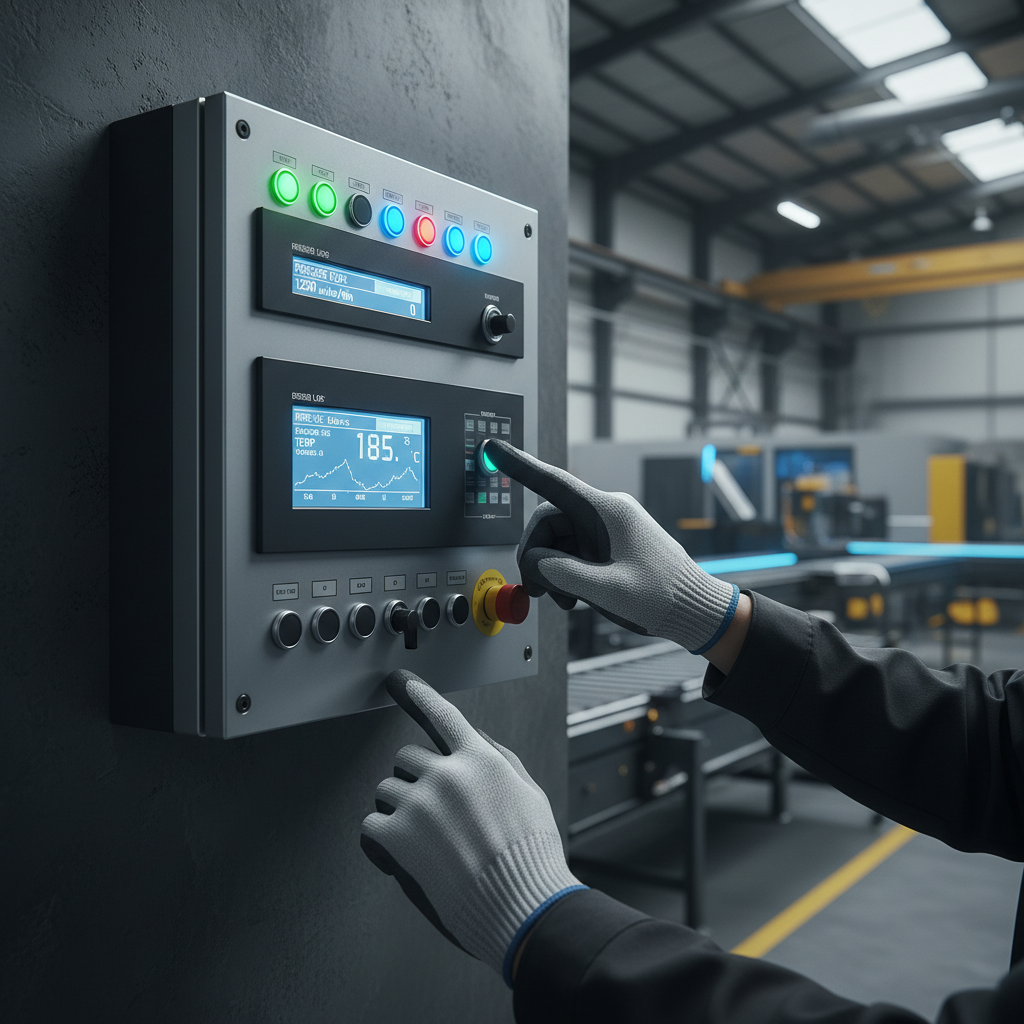
Smart factories represent a significant shift in the industrial sector, where traditional manufacturing processes are enhanced through the integration of advanced technologies. These factories utilize the Internet of Things (IoT), artificial intelligence (AI), and big data analytics to create a more interconnected and intelligent production environment. The result is a facility that can quickly adapt to changes, optimize performance, and reduce downtime.
Implementing smart factory solutions allows businesses to monitor machinery in real time, predict maintenance needs, and enhance overall operational efficiency. This trend is particularly beneficial for industries with high-volume production and complex supply chains.
AI and Machine Learning in Automation
Artificial intelligence and machine learning are revolutionizing the way industries approach automation. By leveraging AI-driven insights, companies can automate complex tasks, improve decision-making, and enhance product quality. Machine learning algorithms enable systems to learn from data, making them more adaptive and efficient over time.

Incorporating AI into industrial processes not only boosts productivity but also ensures greater precision and customization. This trend is particularly impactful in sectors like automotive, electronics, and pharmaceuticals, where precision and quality are paramount.
The Impact of Robotics
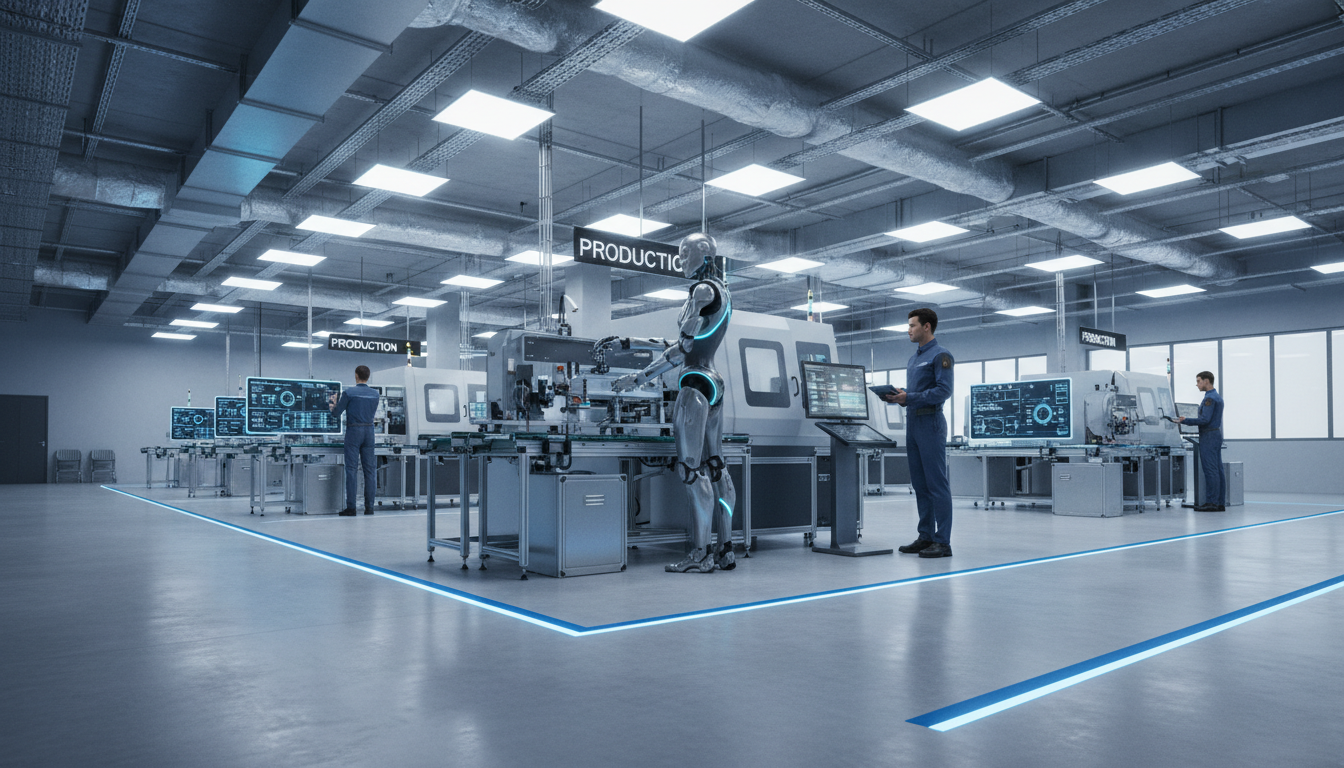
Robotics continues to play a pivotal role in industrial automation. Modern robots are more versatile and capable of performing a wide range of tasks, from assembly and packaging to inspection and logistics. The use of collaborative robots, or cobots, is a growing trend, as they work alongside humans to enhance productivity without replacing the human workforce.
- Increased efficiency and precision
- Reduction in human error
- Enhanced safety in hazardous environments
Energy Efficiency and Sustainability
As environmental concerns become increasingly important, industries are focusing on energy efficiency and sustainability. Automation technologies are being designed to minimize energy consumption and reduce waste. This trend is driven by both regulatory pressures and the growing demand for eco-friendly products.
Energy-efficient automation not only helps in reducing the carbon footprint but also significantly lowers operational costs. Companies adopting sustainable practices are likely to enjoy a competitive edge in the market.
Cybersecurity in Automation
With the increasing connectivity of automated systems, cybersecurity has become a critical concern. Protecting industrial networks from cyber threats is essential to ensure the smooth functioning of operations. Companies are investing in robust cybersecurity measures to safeguard their systems against potential attacks.
- Implementing secure communication protocols
- Regularly updating software and systems
- Conducting frequent security audits
Understanding and embracing these trends in industrial automation is essential for businesses aiming to thrive in the modern industrial landscape. By leveraging these advancements, companies can enhance productivity, ensure sustainability, and maintain a competitive edge in a rapidly changing world.